Glassworm Shows Developer Machines Are Supply-Chain Targets
CrowdStrike's May 2026 Glassworm takedown cut off a developer-targeting botnet, but teams still need to treat infected workstations, tokens, packages, and repositories as an active supply-chain risk.
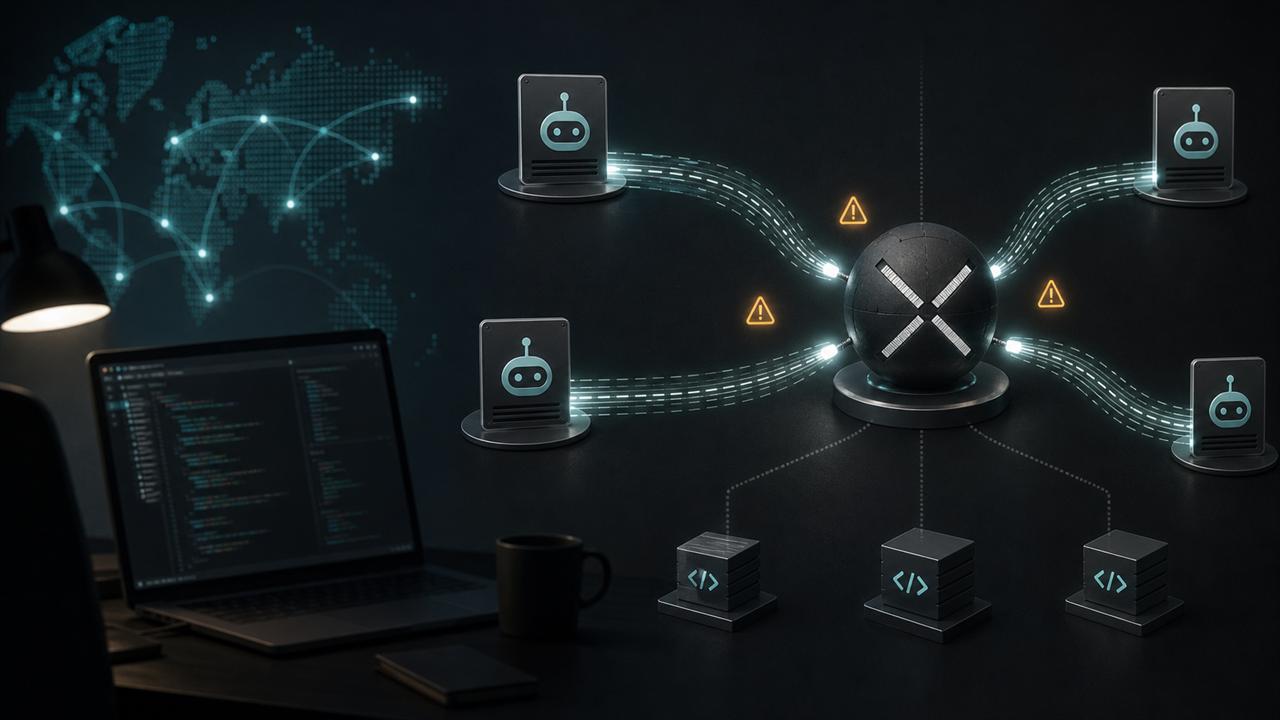
CrowdStrike said it executed a coordinated takedown of the Glassworm botnet on May 26, 2026 with Google and the Shadowserver Foundation. The operation targeted four command-and-control channels at the same time: Solana memo fields, BitTorrent DHT, Google Calendar event titles, and direct server infrastructure. CrowdStrike says the disruption severed the operators from infected machines and stopped new payload delivery through those channels.
That is useful, but it is not the same as remediation. The practical risk for software teams is that Glassworm was built around developer access: IDE extensions, packages, poisoned repositories, GitHub credentials, cloud secrets, and systems close to release automation. A takedown can interrupt command flow, while infected endpoints, stolen tokens, modified repositories, and copied secrets still need local cleanup and careful investigation.
Key Takeaways
- check_circle Treat the Glassworm takedown as a disruption, not proof that every affected developer machine is clean.
- check_circle Developer endpoints should be in the incident-response scope whenever package, extension, repository, or CI credentials may have been exposed.
- check_circle CrowdStrike says infected machines now beacon to a benign CrowdStrike-operated IP, which gives defenders a practical network indicator to hunt.
- check_circle Token rotation has to include GitHub, package registries, SSH keys, cloud credentials, browser-stored secrets, and CI/CD variables, not only password resets.
- check_circle Teams should reduce install-time code execution, pin privileged dependencies, review IDE extensions, and keep release workflows behind short-lived, least-privilege credentials.
What Was Confirmed
CrowdStrike's public report says Glassworm has targeted software developers through the open-source supply chain since at least early 2025. The company describes a campaign that used trojanized VS Code extensions on OpenVSX, malicious npm and Python packages, stolen developer credentials, and poisoned GitHub repositories. The point was not only to compromise an app at runtime. It was to sit near the people and systems that build, publish, and sign software.
The May 26 action focused on command and control. CrowdStrike says the botnet used four channels designed to survive ordinary takedowns: blockchain memo fields, BitTorrent DHT, a public calendar service, and direct server connections. The operation had to hit those channels at the same time because leaving one path alive could let operators reconfigure infected hosts or continue payload delivery.
CrowdStrike also published a hunting clue: Glassworm-infected machines now beacon to the benign CrowdStrike-operated IP address 164.92.88[.]210. A connection to that address is not a cleanup step by itself. It is a signal that the endpoint should be isolated, investigated, and treated as potentially exposed.
Why Developers Were The Target
A developer workstation is rarely just a laptop with source code. It can hold browser sessions, SSH keys, package registry tokens, GitHub personal access tokens, cloud profiles, Kubernetes configs, production logs, private dependency access, and local clones of sensitive repositories. Many developers also run tools that execute code from dependencies during install, build, lint, test, or extension activation.
That makes developer endpoints unusually valuable. A stolen GitHub token can alter code. A package registry token can publish a malicious update. A cloud profile can reach staging or production systems. A browser session can enter dashboards that password resets do not immediately close. A compromised maintainer can become the entry point for many downstream organizations that trust the maintainer's packages, templates, or repositories.
This is why developer-targeting malware is not a niche endpoint issue. For companies that ship software, it is part of supply-chain security. The same controls that protect build systems need to extend to the humans and tools upstream of those systems.
The Takedown Did Not Rotate Your Secrets
A coordinated infrastructure disruption can stop operators from issuing fresh commands, but it cannot tell each victim exactly which credentials were read, copied, sold, or used before the disruption. If a developer machine had an active GitHub session, local SSH keys, cloud environment variables, browser profiles, or package publishing credentials, those artifacts should be treated as exposed until logs and endpoint evidence prove otherwise.
The response should start with host triage. Look for the network indicator, review EDR and DNS telemetry, inspect recent package installs and IDE extension changes, and preserve evidence before rebuilding. Reimaging without preserving logs may remove the malware while destroying the timeline needed to decide which repositories, registries, and cloud accounts require rotation.
Secret rotation needs a wider list than many teams first assume. Rotate personal access tokens, SSH deploy keys, npm and PyPI tokens, GitHub App credentials, cloud access keys, CI variables, repository secrets, API keys in local dotenv files, and credentials stored by browser profiles or password managers if local compromise evidence supports that scope. Then invalidate sessions where the platform supports it.
Package And Extension Workflows Need Friction
Glassworm used the everyday trust paths of development. Extensions are installed because they promise productivity. Packages are installed because build scripts need them. Repositories are cloned because a teammate or dependency points to them. That normal behavior is exactly what makes developer supply-chain attacks hard to stop through detection after the fact.
Teams should review where code can run automatically. npm lifecycle scripts, Python package import behavior, setup hooks, extension activation, shell scripts copied from documentation, and bootstrap commands all deserve more scrutiny on workstations that hold privileged credentials. The goal is not to ban dependencies. The goal is to know which installation paths can execute code before a reviewer has looked at the package.
For high-trust repositories, require dependency review, prefer lockfiles with provenance checks, isolate build and test execution, restrict new IDE extensions, and prevent unsigned or unreviewed extension marketplaces from being used on privileged workstations. Release credentials should be unavailable from ordinary interactive shells unless a deliberate release step needs them.
TrapDoor Shows The Same Pattern
The Glassworm takedown arrived during a week when researchers also reported TrapDoor, a separate multi-ecosystem campaign that used malicious packages across npm, PyPI, and Crates.io to target crypto, DeFi, AI, and security developers. Socket's reporting says the packages were designed to steal wallets, SSH keys, cloud credentials, GitHub tokens, browser data, and environment variables. Secondary reporting also described attempts to poison AI assistant workflow files such as .cursorrules and CLAUDE.md.
The shared lesson is simple: attackers are not waiting for a CVE in production. They are publishing useful-looking packages, abusing install-time behavior, stealing developer credentials, and trying to make ordinary development workflows carry the payload. That sits outside the comfort zone of vulnerability management programs that mainly ask whether a dependency has a known CVE.
Security teams should treat malicious package campaigns as exposure events, not only dependency alerts. If a flagged package was installed on a developer system, ask what secrets were reachable from that system at install time. If a malicious file entered a repository, ask whether automation, AI coding tools, or other developers consumed it.
What To Do This Week
First, hunt. Search network telemetry for the CrowdStrike indicator, inspect developer endpoints for suspicious IDE extensions and recently installed packages, and compare affected hosts against source-control and cloud access logs. Pay special attention to force-pushes, new workflow files, new deploy keys, new package publisher activity, and unusual repository access from developer accounts.
Second, narrow privilege. Move package publishing to short-lived, workflow-bound credentials where possible. In GitHub Actions, minimize GITHUB_TOKEN permissions, split untrusted pull request processing from privileged jobs, require environment approvals for release and deployment, and pin third-party actions in sensitive workflows. Developers should not need permanent registry and cloud tokens on every workstation.
Third, rehearse cleanup. A developer compromise runbook should say who can isolate a workstation, who can rotate each token type, who can revoke sessions, who can freeze package publishing, who can protect default branches, and who can notify downstream consumers. Waiting to answer those questions during a live supply-chain event adds avoidable delay.
What Remains Unknown
CrowdStrike's public report is a takedown report, not a per-victim incident report. It does not tell every organization whether one of its developers was infected, which repositories were exposed, or whether stolen credentials were later reused. It also does not prove that all Glassworm infrastructure or future variants are gone.
The most cautious reading is that the disruption bought defenders time. That time should be used to identify affected endpoints, revoke exposed credentials, review repository integrity, and strengthen the release path. For software teams, the headline is less important than the operational question: if a developer laptop became the starting point for a supply-chain incident, would the organization see it quickly enough to stop the next publish?
Checklist
- Search network and endpoint telemetry for Glassworm indicators and isolate matching systems before cleanup.
- Review IDE extension inventory, recent package installs, shell history, and repository changes on privileged developer machines.
- Rotate GitHub, package registry, SSH, cloud, CI, deployment, and browser-session credentials reachable from affected endpoints.
- Audit force-pushes, workflow edits, release tags, package publishes, deploy keys, and new repository secrets around the exposure window.
- Reduce automatic code execution from packages and extensions on privileged machines.
- Move release credentials toward short-lived, workflow-bound, least-privilege access with protected branches and environment approvals.
Sources
- CrowdStrike: Inside CrowdStrike's takedown of a developer-targeting botnet open_in_new
- Socket: TrapDoor crypto stealer campaign across npm, PyPI, and Crates.io open_in_new
- npm Docs: scripts and lifecycle behavior open_in_new
- GitHub Docs: secure use reference for GitHub Actions open_in_new
- GitHub Docs: automatic token authentication open_in_new
- GitHub Docs: about secret scanning open_in_new
Continue Reading

GlobalProtect Cookie Bypass Makes VPN Edge Hygiene Urgent
Palo Alto Networks updated CVE-2026-0257 after limited exploit attempts against unpatched GlobalProtect deployments. The practical response is configuration review, fixed PAN-OS versions, and VPN-edge incident triage.
Composio Incident Shows AI Connectors Are Token Vaults
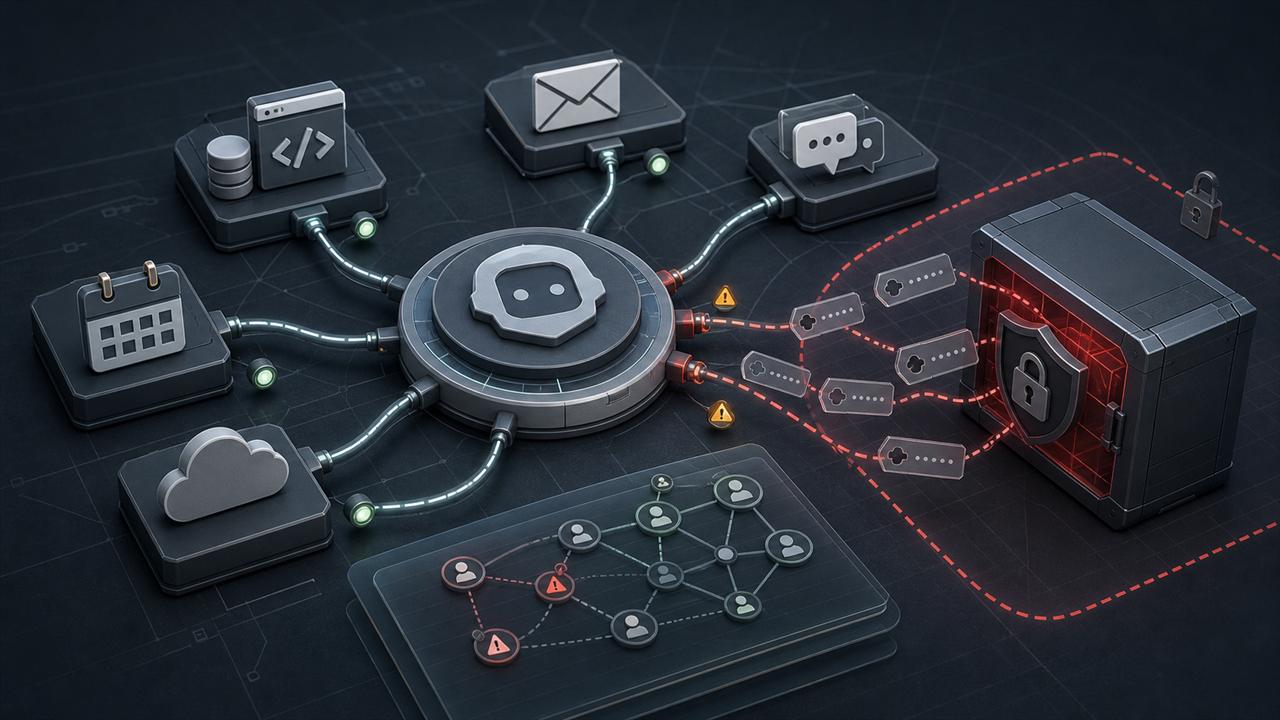
Composio's May 2026 incident exposed the security reality of agent connector platforms: a single tool hub may hold GitHub, email, chat, calendar, cloud, and API-key access that must be revocable under pressure.

Google Workspace DBSC Makes Stolen Cookies Less Portable
Google made Device Bound Session Credentials generally available for Workspace users in Chrome on Windows. The useful change is narrower than passwordless login: it targets session theft after authentication.