Instagram Reset Bug Was Patched, But Recovery Data Still Matters
Meta says a password-reset issue was fixed after reports around exposed Instagram contact data. The response is not panic; it is recovery-flow minimization, account review, and tighter masking.
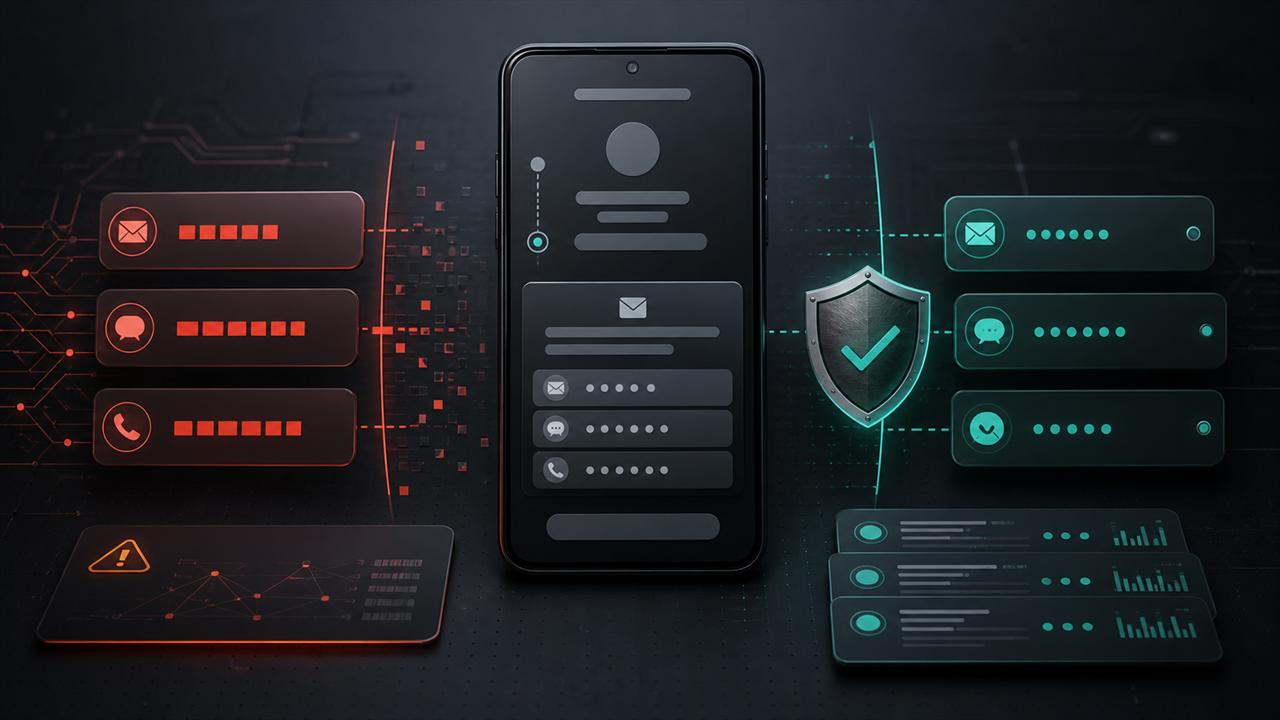
Instagram's password-reset flow became a privacy story after reports that recovery contact information was exposed through reset behavior and after a large Instagram-related data set was indexed by Have I Been Pwned. Meta said it fixed an issue that allowed an external party to request password-reset emails, while public reporting around the wider data set described millions of email addresses and other profile-adjacent fields.
The important line is this: the password-reset issue is reported as patched, and the public record does not prove that passwords were exposed through that reset flow. The risk sits in the account-recovery layer. Recovery screens, reset emails, masked contact hints, login alerts, and support flows can leak enough information to help targeting, phishing, SIM-swap attempts, harassment, or account-takeover preparation.
Key Takeaways
- check_circle Treat this as a patched recovery-flow information disclosure, not as evidence that Instagram passwords were leaked.
- check_circle The stronger confirmed data point is that Have I Been Pwned lists a January 2026 Instagram-related scrape containing 6.2 million email addresses.
- check_circle Recovery contact hints can be sensitive even when they are partially masked because attackers can combine them with public profiles and other breach data.
- check_circle Users should review Instagram login activity, recovery email and phone settings, two-factor authentication, and recent reset messages.
- check_circle Platforms should make password reset useful without turning account recovery into a directory for email and phone discovery.
What Is Confirmed
Meta's public posture, as reported by security media, is that the password-reset issue was fixed. The company did not publish a detailed postmortem describing the exact endpoint behavior, the number of users touched by reset requests, or whether the reset flow itself returned unmasked contact fields to unauthenticated requesters. That absence matters. It limits what can be stated with confidence.
A separate but related fact is visible through Have I Been Pwned, which lists an Instagram incident dated January 2026. HIBP describes scraped Instagram data containing 6.2 million unique email addresses plus fields such as names, usernames, follower counts, profile photos, biographies, locations, and phone numbers for a smaller subset. That record does not mean every listed field came from the password-reset flow. It does mean Instagram-adjacent contact and profile data was circulating widely enough for breach-notification services to index it.
What Is Reported
SecurityWeek reported that Instagram fixed a password-reset vulnerability amid user-data-leak concerns. The Register also covered a claimed 6.2 million record leak and noted the platform was dealing with password-reset related exposure claims. Those reports are useful timeline context, but the most careful reading is that public evidence combines two things: a patched reset issue confirmed at a high level by Meta and a larger data set whose collection path has not been fully documented in a vendor report.
That distinction is not pedantry. If the reset endpoint merely allowed nuisance reset emails, the operational response is very different from a bug that returned full email addresses, phone numbers, or reset tokens. If a scraped data set includes Instagram user details, that also does not automatically prove the password-reset bug produced every field. The honest security posture is to treat the reset flow as fixed, treat the data exposure as useful for attackers, and avoid inventing a causal chain the public sources do not prove.
Why Recovery Data Is Valuable
Password reset is supposed to help the rightful account holder. To do that, products often show hints: send an email to a masked address, send an SMS to a masked phone number, approve from another device, or use a known recovery channel. The more precise those hints become, the more they can reveal. A partially masked address may still identify a school, employer, domain, or alias pattern. A phone-country hint can help narrow targeting. A reset email confirms the account exists and may train the user to expect recovery messages.
Attackers rarely need one perfect leak. They combine fragments. An Instagram username, display name, follower graph, scraped biography, old breach email, leaked phone number, and a reset screen hint can become a phishing script. For creators, journalists, activists, crypto users, and community operators, that script may target the recovery email account, the mobile carrier, a manager, or a trusted contact rather than the Instagram login page itself.
What Users Should Do
Users do not need to change an Instagram password solely because a patched reset issue was reported. They should change it if it is reused, weak, old, or connected to a breached email account. The stronger response is to secure the recovery chain. Check the email address and phone number on the account, remove stale recovery methods, review login activity, and make sure the email account behind Instagram has strong two-factor authentication.
Turn on Instagram two-factor authentication if it is not already enabled, preferably with an authenticator app or hardware-backed method where available rather than SMS alone. Save backup codes securely. Be suspicious of reset emails that arrive without a user-initiated request, especially if they are followed by direct messages, support claims, or urgent prompts to verify identity. A reset email by itself is not proof of compromise, but it is a useful signal when paired with other activity.
What Platforms Should Fix
The product problem is not unique to Instagram. Any large social platform has to let users recover accounts without turning the recovery flow into an account-enumeration or contact-discovery service. The safest pattern is progressive disclosure: reveal only the minimum hint needed for the user to choose a recovery method, rate-limit unauthenticated reset attempts, avoid returning different responses for valid and invalid accounts, and monitor reset-request bursts at scale.
Masking needs threat modeling, not cosmetic redaction. Showing the first and last character of an email may be safe for one account pattern and unsafe for another. Showing an entire domain can reveal an employer, school, or private organization. Showing phone-country or carrier-linked clues can increase SIM-swap risk. Platforms should test recovery screens against real-world OSINT combinations, not just against a single isolated field.
What Remains Unknown
Meta has not published a full technical root-cause report for the reset issue described in public coverage. The public sources reviewed here do not establish how long the reset behavior existed, how many users received unwanted reset emails, whether attackers could retrieve fully unmasked contact data from the reset endpoint, or how the larger scraped data set was assembled.
That uncertainty should shape coverage and response. This is not a reason to declare an active Instagram account-takeover emergency. It is a reason to audit account recovery, because recovery is where privacy and security often get quiet and messy. The patched status closes the immediate product bug. It does not erase the value of contact data that may already be in attacker notebooks, breach databases, and phishing kits.
Checklist
- Review Instagram login activity and remove unfamiliar sessions or devices.
- Confirm the recovery email and phone number are current and not shared with low-trust accounts.
- Enable two-factor authentication and store backup codes outside the account.
- Secure the recovery email account with strong MFA and a unique password.
- Treat unexpected reset emails as a signal to check account activity, not as a reason to click quickly.
- For high-risk creators or community operators, separate public contact channels from account recovery channels.
- For product teams, test reset flows for account enumeration, contact discovery, and unsafe masking.
Sources
- SecurityWeek: Instagram fixes password reset vulnerability amid data leak open_in_new
- The Register: Meta admits Instagram password reset issue open_in_new
- Have I Been Pwned: Pwned websites list open_in_new
- Instagram Help Center: Password reset and login help open_in_new
- Instagram Help Center: Two-factor authentication open_in_new
- OWASP ASVS: Authentication verification requirements open_in_new
Continue Reading
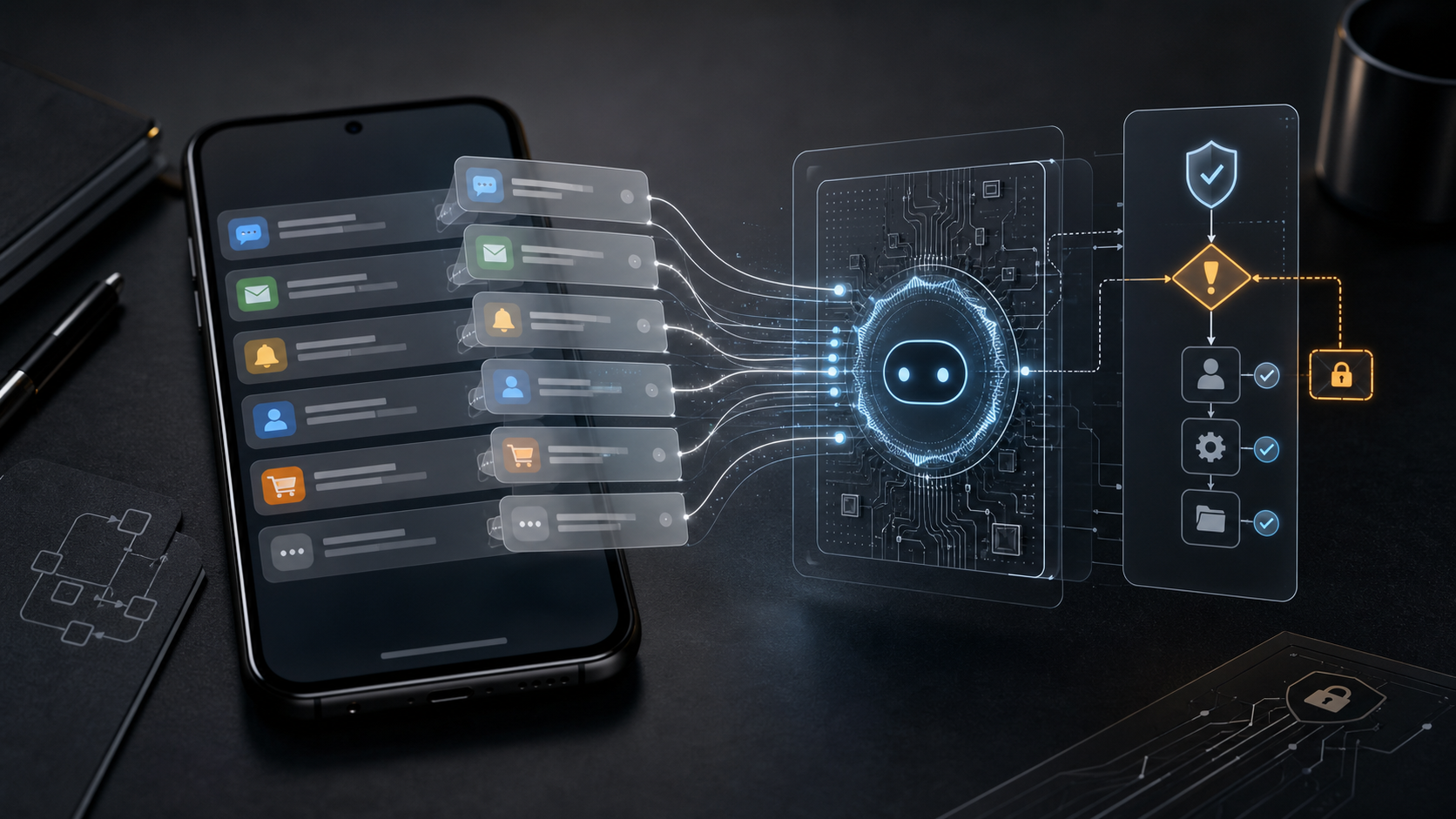
Gemini Notification Injection Shows Chat Is Agent Input
SafeBreach showed how crafted Android notifications from messaging apps could steer Gemini's voice assistant before Google mitigated it. The lesson is to treat notification text as untrusted agent input, not passive UI.

Codex UI Token Theft Shows AI Tooling Supply-Chain Risk
Aikido found a third-party Codex remote UI package that sent local OpenAI authentication tokens to attacker infrastructure. The response is credential revocation, tarball review, egress control, and tighter isolation for AI developer tools.
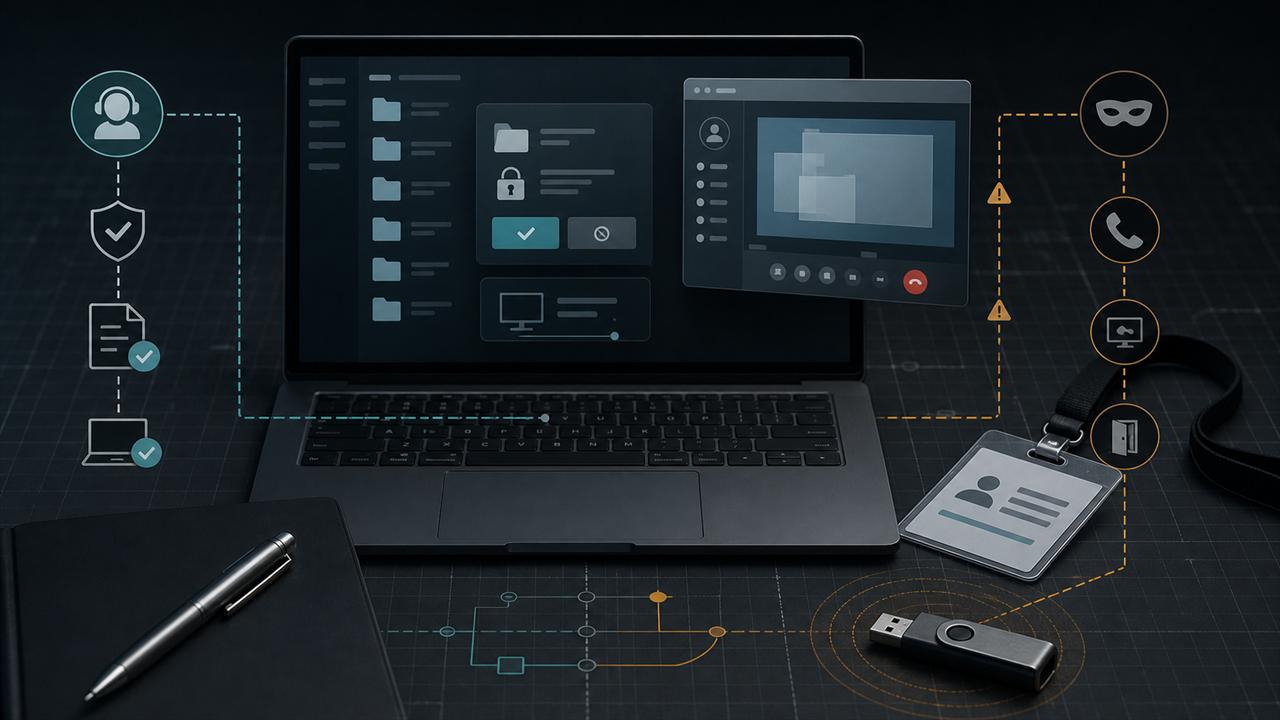
Silent Ransom Group Turns IT Support Into The Breach Path
The FBI and Google warn that Silent Ransom Group is using fake IT support calls, remote access tools, and in-person office visits to steal data from law firms and professional services organizations. The response has to cover help desk identity, visitor controls, RMM policy, and removable media.