Zero-Log Claims Under Pressure: The 2024 Server Seizure Report
Analyzing the technical infrastructure of leading VPN providers after international law enforcement audits.
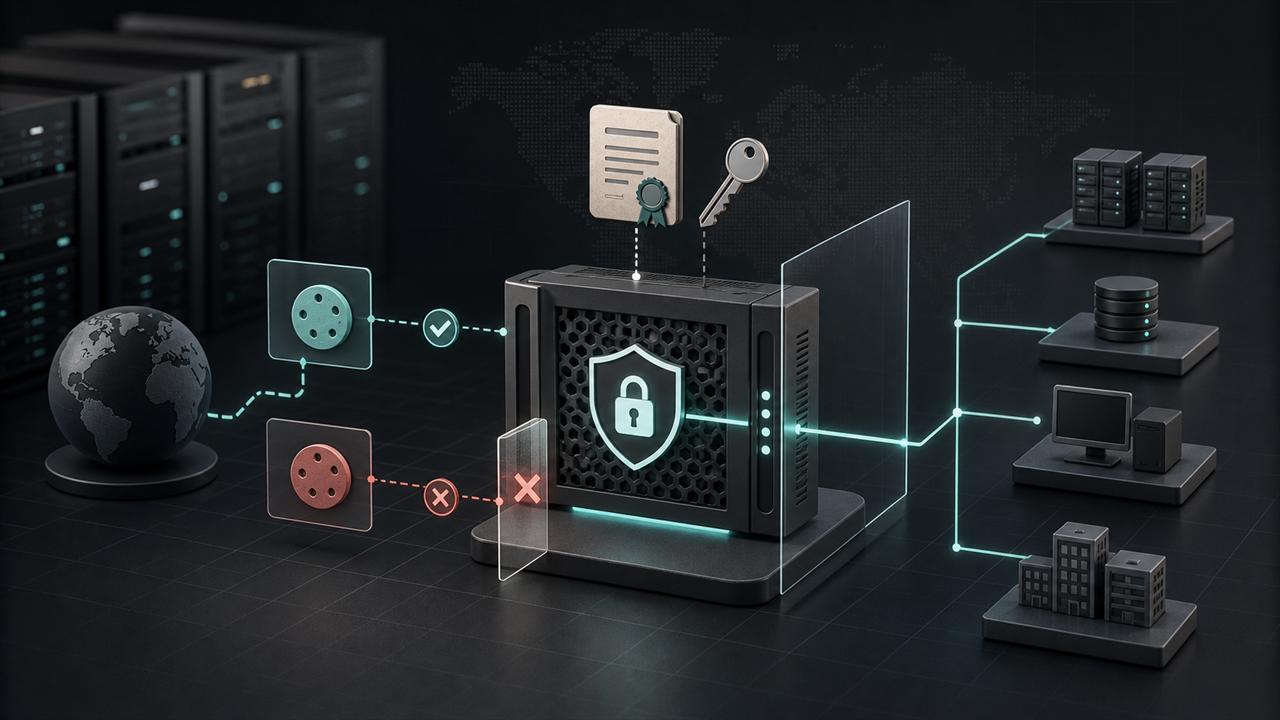
A no-log VPN claim is only meaningful when pressure arrives. Marketing pages can promise privacy, but subpoenas, seizures, misconfigured servers, payment records, support tickets, authentication systems, and crash telemetry reveal whether the provider actually designed the service to have nothing useful to hand over.
The strongest providers do not rely on trust alone. They publish narrow logging policies, commission third-party audits, minimize account data, reduce persistent server state, document legal request handling, and separate billing identity from VPN activity wherever possible.
Key Takeaways
- check_circle No-log claims should be evaluated as architecture, not branding.
- check_circle A clean VPN server is not enough if account, payment, DNS, support, or telemetry systems create linkable metadata.
- check_circle The best evidence is a combination of policy, audit scope, technical design, transparency reporting, and real-world pressure events.
What A Seizure Can Actually Prove
A server seizure can prove a narrow thing: what data existed on that machine at that time. It cannot prove that no other system ever collected related information, that future configurations will stay clean, or that third-party billing and support systems are unlinkable.
That is why a serious no-log review has to follow the whole path. Connection metadata can appear in VPN daemons, DNS resolvers, load balancers, monitoring systems, crash logs, abuse mitigation tools, billing records, account dashboards, and customer support systems. The VPN tunnel is only one layer.
Policy Needs Engineering Behind It
A privacy policy that says a provider does not log activity is a starting point. The stronger question is whether the systems make logging difficult by default. Providers should be able to explain what logs are disabled, which aggregate metrics remain, where authentication occurs, how long payment records exist, and who can access operational systems.
Audits help, but scope matters. An audit of a website does not validate VPN gateways. An audit of selected production servers does not guarantee every future node is configured the same way. Good providers publish enough detail that readers can understand exactly what the audit did and did not cover.
The Metadata Trap
Even if traffic content and browsing history are not logged, metadata can still matter. Connection timestamps, source IPs, assigned VPN IPs, DNS queries, bandwidth totals, device identifiers, account email, payment method, and support messages can each become useful when combined.
This is why anonymous account systems, cash or privacy-preserving payment options, limited support data, and short operational retention windows matter. A no-log VPN should not only avoid storing browsing history. It should reduce the number of systems capable of linking a real person to a session.
What Strong Providers Publish
The most credible providers make their claims falsifiable. They publish logging policies with specific data categories, explain infrastructure choices, release audit summaries or full reports, describe legal request handling, and update users when policies or technical assumptions change.
Proton VPN's repeated no-log audits, Mullvad's detailed no-logging policy, and IVPN's public no-log explanations are examples of the kind of evidence users should look for. None of this creates perfect trust. It creates a trail that can be checked.
Verdict
A VPN with no logs is not a magic anonymity machine. It is a service that has chosen to make certain records unavailable to itself. That is useful, but it only works if the rest of the business does not recreate those records somewhere else.
Treat zero-log claims as an evidence problem. The provider should show a narrow policy, a technical architecture that supports the policy, independent review, and a history of behaving consistently under pressure.
Checklist
- Read the logging policy line by line and list every data category the provider still keeps.
- Check whether audits cover VPN gateways, authentication systems, and production configuration.
- Review DNS, crash reporting, abuse handling, and monitoring behavior.
- Separate VPN activity logging from billing, account, and support data retention.
- Look for transparency reports or public legal request handling statements.
- Prefer providers that make privacy claims specific enough to verify.
Sources
Continue Reading
Slack vs. Signal: Enterprise Security Deep Dive
A security review comparing Slack and Signal across encryption, metadata retention, open source posture, and enterprise risk.
Best Discord Alternatives for Communities, Teams, and Private Groups
A security-first evaluation of chat platforms that can replace Discord when moderation controls, data ownership, privacy, or professional workflows matter more than gaming-native defaults.
Misconfigured S3 Buckets: An Automated Exploitation Crisis
How simple policy errors in AWS environments are leading to sophisticated, automated data exfiltration pipelines.