Bypassing Biometrics: The Rise of Synthetic Identity Injections
Exploring vulnerabilities in mobile trusted execution environments and sensor spoofing methodologies.
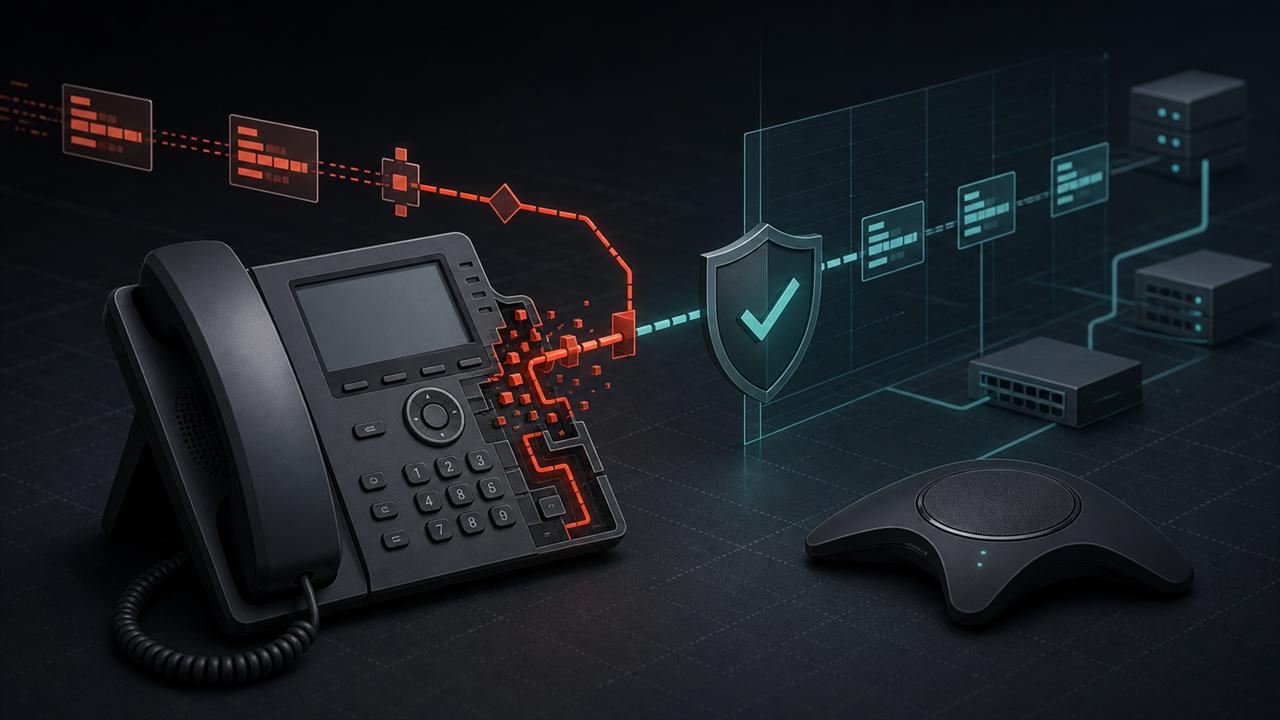
Biometric authentication is easy to misunderstand. A face or fingerprint prompt does not automatically prove that a trusted sensor saw a live person, that the app received a hardware-backed assertion, or that a high-risk action should be authorized without another factor.
The most serious failures happen when applications treat a biometric success screen as a magic yes. Modern attacks target the seams: enrollment, device compromise, emulator behavior, rooted or jailbroken devices, app hooking, weak fallback paths, synthetic media in identity proofing, and keys that are not actually bound to secure hardware.
Key Takeaways
- check_circle Biometrics should unlock a hardware-protected credential, not replace cryptographic authentication.
- check_circle Presentation attack detection and liveness checks help, but they do not remove the need for device integrity and key binding.
- check_circle Sensitive actions should require fresh user authentication, risk checks, and a server-side policy that understands fallback paths.
The Biometric Prompt Is Not The Trust Boundary
A biometric prompt is a user interaction. The trust boundary is the key, credential, or assertion that follows it. If an app only checks that a local API returned success, a compromised runtime may be able to fake that result. If a private key is hardware-bound and requires recent user authentication, the server can have stronger confidence.
This is why platform primitives matter. Android's Keystore and hardware-backed authentication features exist so apps can restrict when keys may be used. The safer pattern is to bind sensitive operations to keys protected by secure hardware and fresh authentication, not to a UI event alone.
Synthetic Identity Is A Different Problem
Synthetic identity attacks often target onboarding and recovery rather than login. A deepfake, stolen document, manipulated selfie, or replayed liveness flow can create an account that later passes normal authentication because the platform enrolled the wrong identity in the first place.
That means biometric login security and identity proofing security must be reviewed separately. A strong device unlock flow cannot fix a weak enrollment process. A good liveness vendor cannot fix an app that lets attackers downgrade to email recovery.
Fallback Paths Create The Real Risk
Many biometric systems are only as strong as their fallback. If a user can bypass biometrics with a weak PIN, recover through email, add a new device without strong proof, or complete a high-risk transaction without fresh authentication, the biometric layer becomes decorative.
NIST guidance treats biometrics with caution and emphasizes limits such as presentation attack resistance, retry limits, and the need for another authenticator option. That framing is useful: biometrics can improve usability and assurance, but they should not become the only thing standing between an attacker and a sensitive account.
Mobile App Attack Surface
On mobile, the attacker may not attack the sensor. They may attack the app. Hooking frameworks, repackaged apps, insecure local storage, emulator bypasses, rooted devices, debug builds, and weak server validation can turn a strong biometric subsystem into a weak product flow.
Mobile security reviews should test whether the app relies on local flags, whether keys require user authentication, whether hardware backing is checked, whether device integrity affects risk decisions, and whether sensitive actions require recent authentication instead of a stale login session.
Verdict
Biometrics are useful when they are part of a cryptographic and risk-based design. They are dangerous when they are treated as proof by themselves.
The safest architecture is layered: strong enrollment, hardware-backed keys, fresh authentication for sensitive actions, server-side authorization, device integrity checks, fallback hardening, rate limits, and clear recovery policy. Anything less turns a convenient unlock gesture into a security theater prop.
Checklist
- Bind sensitive actions to hardware-protected keys where the platform supports it.
- Require fresh authentication for payments, recovery, device enrollment, and credential changes.
- Test rooted, jailbroken, emulator, repackaged, and hooked-app scenarios.
- Review fallback paths as carefully as the biometric path.
- Separate identity proofing risks from biometric unlock risks.
- Apply retry limits, liveness checks, and server-side risk scoring for high-value actions.
Sources
Continue Reading
Zero-Log Claims Under Pressure: The 2024 Server Seizure Report
Analyzing the technical infrastructure of leading VPN providers after international law enforcement audits.
Misconfigured S3 Buckets: An Automated Exploitation Crisis
How simple policy errors in AWS environments are leading to sophisticated, automated data exfiltration pipelines.

ConnectWise Cloud Backup Incident Turns App Trust Into Tenant Risk
Attackers abused ConnectWise application identities to enter Microsoft 365 tenants, where disabling the original apps may not remove added access paths.