Storm-2949 Turns Password Reset Into Cloud Breach
Microsoft's Storm-2949 report shows how self-service password reset abuse can become cloud-wide access across Key Vault, web apps, SQL, storage, VMs, and MFA registration.
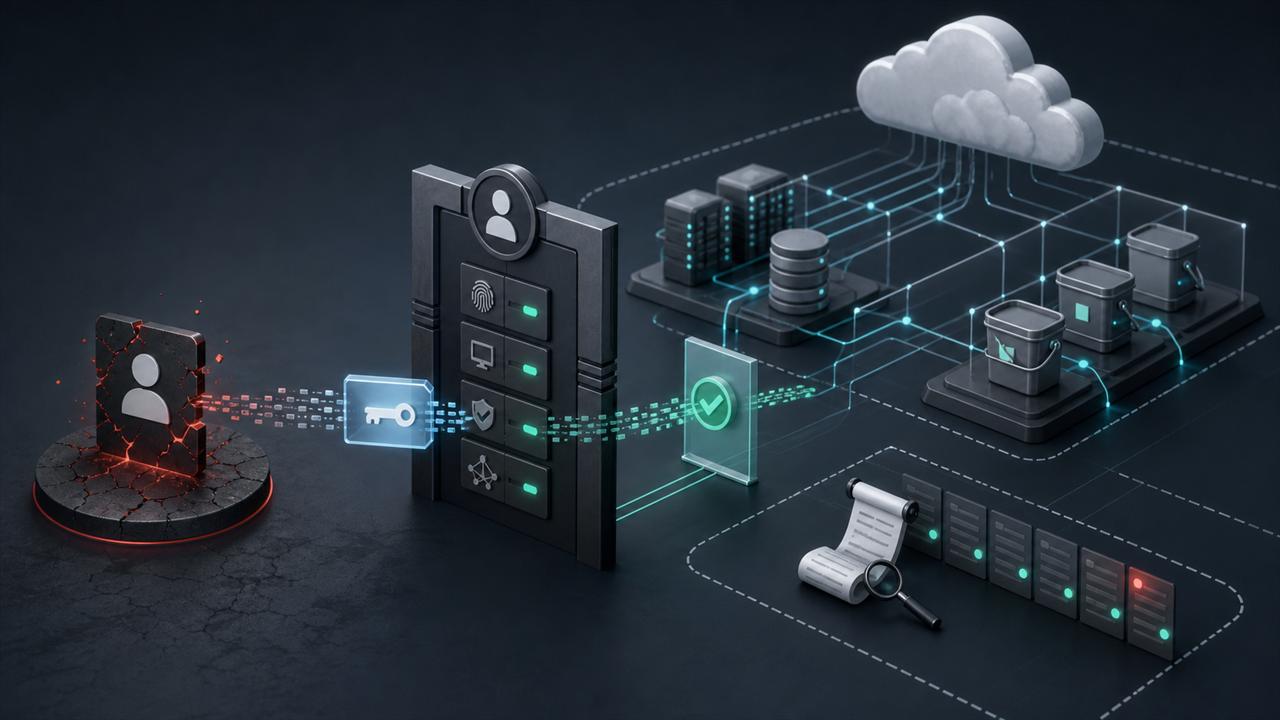
Microsoft published a May 18, 2026 report describing how Storm-2949 used self-service password reset abuse as the opening move in a larger cloud intrusion. The report is useful because it does not stop at the compromised user. It follows the chain into MFA registration, Azure resources, Key Vault secrets, a production web app, SQL, storage accounts, virtual machines, and data exfiltration.
The practical lesson is that password reset is not a convenience feature sitting outside the threat model. In cloud identity, reset can be a privileged path into the same control plane that governs applications, secrets, storage, and sessions. Security teams should review SSPR policy as carefully as they review login policy.
Key Takeaways
- check_circle Self-service password reset reduces help-desk dependency, but weak reset methods can become an initial-access path.
- check_circle Storm-2949's chain shows why identity compromise and cloud resource permissions must be investigated together.
- check_circle MFA registration changes, new devices, and default MFA method changes should be treated as sensitive security events.
- check_circle Key Vault, storage firewall, SQL firewall, and VM Run Command activity can expose the real blast radius after reset abuse.
- check_circle The defensive target is not disabling recovery everywhere; it is making reset, method registration, and privileged access harder to abuse than normal login.
Why This Report Matters
Many identity incidents are described as credential theft and then handled as a password problem. Microsoft's Storm-2949 report is more useful because it traces what happened after identity access was obtained. The actor used reset and authentication-method abuse to gain a foothold, then expanded into cloud infrastructure where application secrets and resource permissions created the larger breach.
That shape matters for Protocol Report readers because collaboration systems, developer platforms, chat communities, crypto teams, and SaaS-heavy organizations often centralize trust in one identity provider. If reset policy lets an attacker become a legitimate user, every downstream system that trusts that identity provider has to be reviewed.
SSPR Is A Control Plane
Microsoft's SSPR documentation frames self-service password reset as a way for users to regain access without administrator or help-desk involvement. That is valuable. It reduces lockouts and support pressure. It also means the reset path makes decisions that used to belong to a human operator: whether an account holder has proven enough control to change a credential.
The documented Microsoft Entra flow checks whether SSPR is enabled, whether the user has the required authentication methods, whether one or two methods are required, and whether administrator reset policy differences apply. Those settings should be treated as production security policy, not onboarding plumbing. A reset event can become the moment an attacker gets a fresh password, registers a device, changes MFA defaults, and starts collecting tokens.
From One Account To Many Cloud Surfaces
The Storm-2949 report describes expansion across Azure resources after the identity compromise. Microsoft says the actor accessed a main production web app, changed its password to retain control, and exfiltrated sensitive data. The same chain reached Azure Storage accounts and an Azure SQL server. The actor manipulated SQL firewall rules and storage network access configurations to enable access and then removed some changes afterward, which Microsoft characterizes as defense evasion.
That is the central cloud lesson: after reset abuse, the important question is not only whether the user's mailbox was opened. It is whether that identity had access to resource groups, service principals, Key Vault secrets, storage keys, publish profiles, SQL firewall changes, VM commands, backup data, SaaS apps, or partner tenants. The blast radius follows permissions.
MFA Registration Is A Persistence Surface
Microsoft's detection list includes attacker device registration as an MFA method, suspicious addition of a default third-party MFA method, suspicious Entra device join or registration, and malicious device registration with strong MFA. Those events are not normal account hygiene. They are equivalent to adding a new lock that the attacker controls.
Security teams should alert on MFA method creation, method deletion, default method change, phone-number changes, device registration, Temporary Access Pass issuance, and resets for privileged or high-impact users. The same review should include support and admin actions. If a help-desk process can add or replace a recovery method without enough verification, the organization has built a manual version of the same attack path.
Cloud Secrets Make The Breach Durable
The Microsoft report says the actor found credentials that enabled access to the targeted production web app, and it discusses suspicious Key Vault policy changes and secret queries among the detections. Key Vault is supposed to centralize sensitive material so applications do not scatter secrets through code and configuration. That is a strong pattern, but it concentrates evidence and privilege when an attacker reaches it.
Key Vault, storage accounts, SQL, and VMs need independent containment controls. Private endpoints, least-privilege RBAC, separate vaults by environment and application, restricted storage network rules, logging, and alerts for unusual secret queries are not optional extras. They are the controls that limit damage when identity fails.
Response Starts With Timeline, Not Password Reset
A normal reset response can be too small. If Storm-2949-style activity is suspected, responders need a timeline that starts before the reset and continues through method registration, sign-ins, resource-manager operations, Key Vault access, storage reads, SQL firewall changes, VM command execution, and mass downloads. The password is only one artifact.
The first containment move is to revoke sessions, remove unfamiliar authentication methods and devices, reset credentials from a trusted admin path, and disable or quarantine suspicious accounts. The next move is cloud scoping: check resource changes, secret reads, storage access, SQL access, app credential changes, service-principal activity, and data movement. Only after that should the team close the incident as account recovery abuse.
How To Harden Reset Without Breaking Recovery
Disabling self-service recovery for everyone is rarely practical. People lose devices, forget passwords, change phones, and need support. The better answer is tiering. Ordinary users may use a well-monitored SSPR flow with two methods and risk-based checks. Administrators, finance approvers, production engineers, community owners, and identity operators need stronger reset paths, stronger authentication strengths, shorter sessions, and immediate notification to security staff.
Microsoft's risk-based policy guidance is useful here because it treats user and sign-in risk as conditions that can trigger MFA, password change, risk remediation, session revocation, or block decisions. Recovery should be adaptive too. A reset from a new geography, a new device registration followed by storage reads, or a privileged user's method change should create friction and investigation, not a quiet successful login.
Checklist
- Require two reset methods for SSPR and avoid weak methods for privileged users.
- Alert on MFA method creation, default method changes, phone-number changes, and device registration.
- Separate privileged-user reset policy from ordinary employee reset policy.
- Review Key Vault, storage, SQL, VM, and app credential activity after any high-risk reset.
- Use risk-based Conditional Access, session revocation, and authentication strength controls where available.
- Limit cloud resource permissions so one user reset cannot reach broad production secrets.
- Preserve resource-manager, Key Vault, storage, SQL, and identity logs before closing the incident.
Sources
- Microsoft Security Blog: Storm-2949 cloud-wide breach open_in_new
- Microsoft Learn: Self-service password reset deep dive open_in_new
- Microsoft Learn: Risk-based access policies open_in_new
- Microsoft Learn: Require MFA with authentication strengths open_in_new
- Microsoft Learn: Secure Azure Key Vault open_in_new
- Microsoft Learn: Blob storage security recommendations open_in_new
- MITRE ATT&CK: Valid Accounts, Cloud Accounts open_in_new
Continue Reading

Android And Linux KEV Deadline Forces Patch Triage
Google's June Android bulletin and CISA's KEV additions put an Android Framework flaw and a Linux cgroups flaw into the same urgent patch window. The practical work is mobile and container exposure scoping.
Dashlane Attack Shows Vault Risk Starts At Login
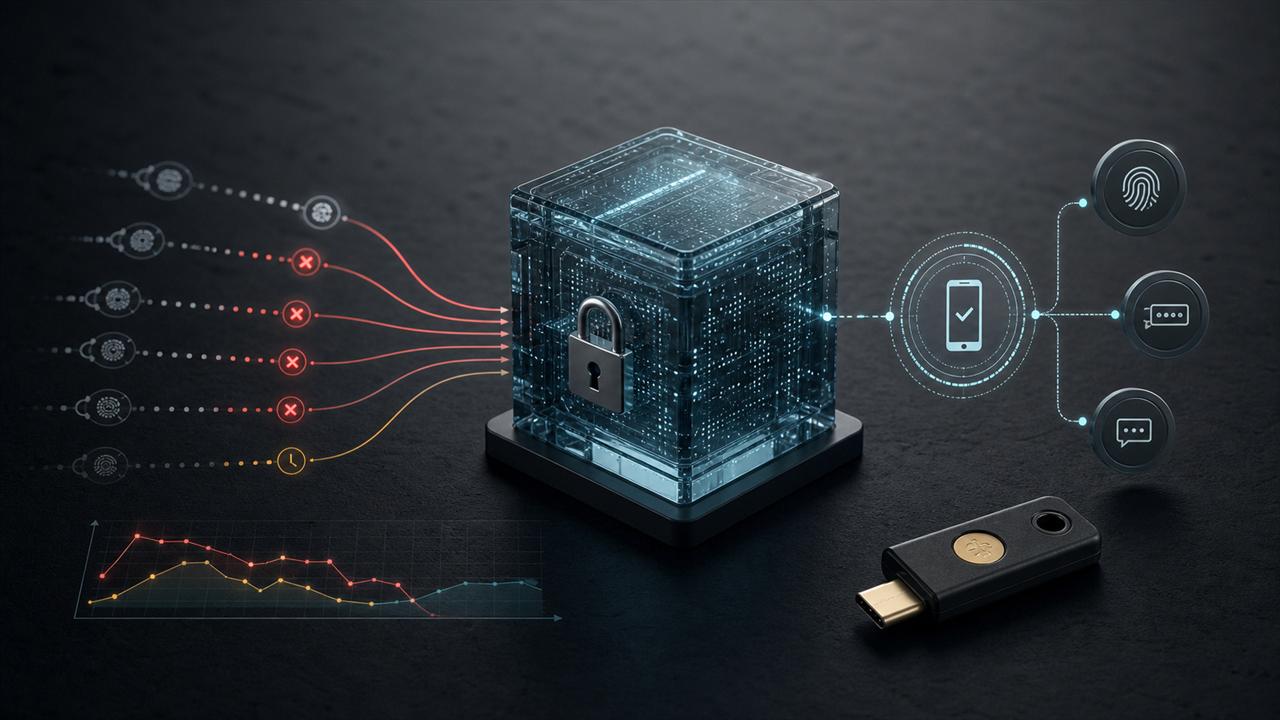
Dashlane confirmed a brute-force campaign against user accounts, while reporting says encrypted vault data for a small number of accounts was downloaded. The practical lesson is account hardening, cryptography settings, device approval, and response planning.
Passkeys Move Account Risk To Recovery
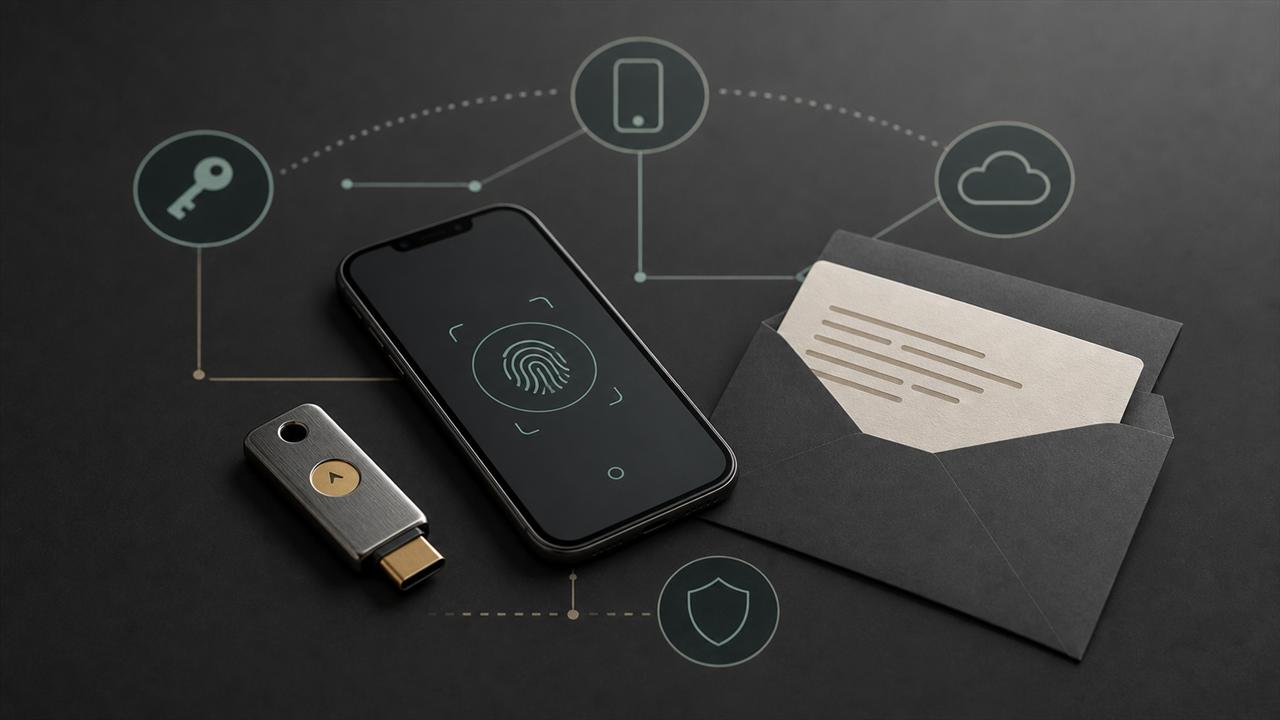
Passkeys remove the reusable password from login, but the hard security work moves to recovery, sync, device binding, fallback methods, and privileged account policy.