WhatsApp's NSO Update Shows Spyware Moved To Phishing
WhatsApp says it disrupted NSO-linked spear phishing attempts and asked a court to enforce an injunction against NSO. The practical lesson is that encrypted chat still needs link safety, device hardening, and targeted-user response.
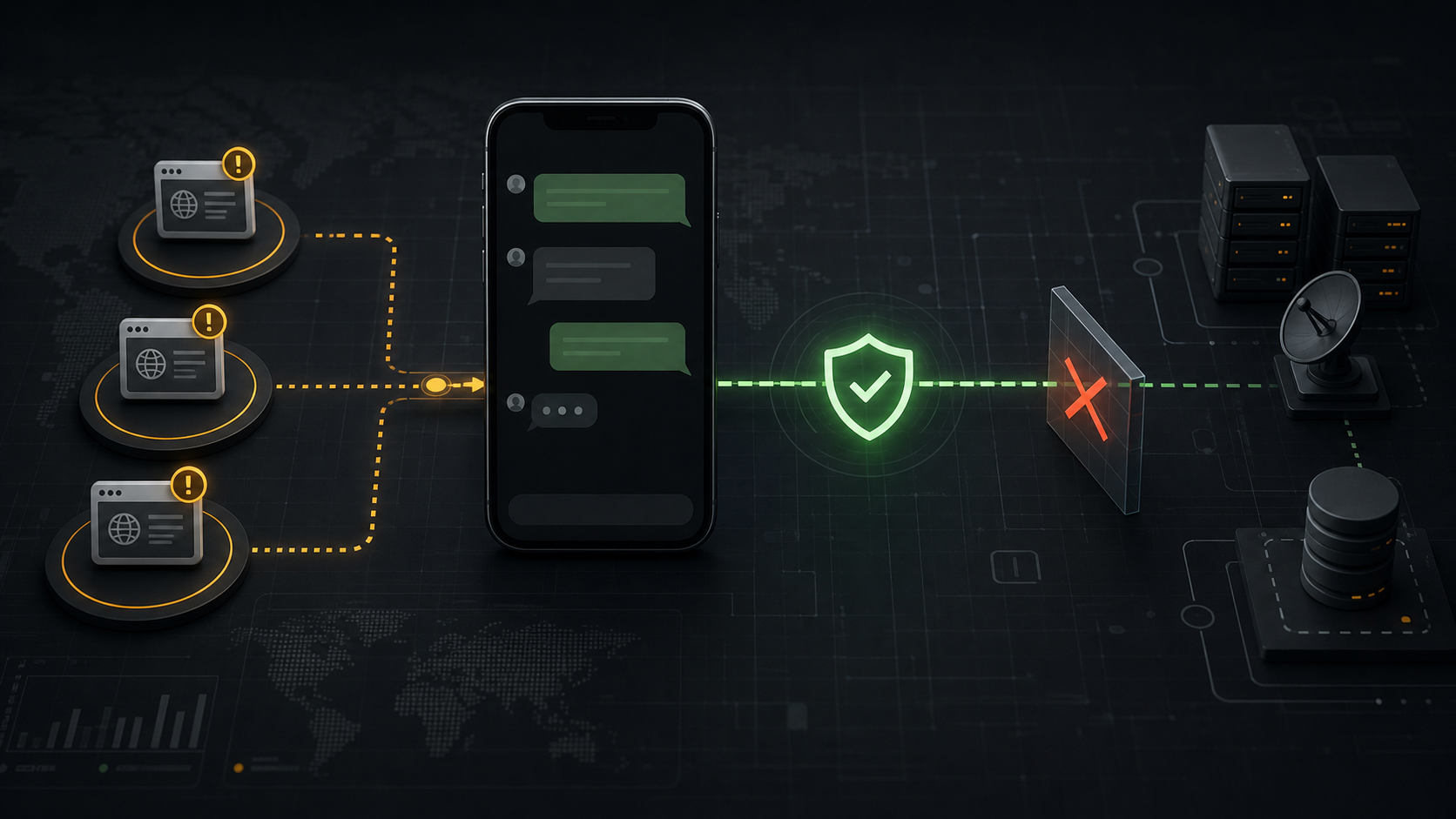
WhatsApp published a June 8, 2026 update saying it disrupted spear phishing attempts linked to NSO Group, took down test accounts and groups, and shared three malicious domains as threat indicators. The company also said it is asking the court to hold NSO in contempt for allegedly violating a permanent injunction that barred NSO from targeting WhatsApp and its users.
This is not a claim that WhatsApp's end-to-end encryption was broken. WhatsApp describes a link-driven social engineering path that tried to push targets to external websites outside the app. For high-risk users, that distinction matters. Strong message encryption reduces what the service and network can read, but it does not protect a phone after a user is lured to spyware infrastructure or after the endpoint itself is compromised.
Key Takeaways
- check_circle WhatsApp says the current activity involved NSO-linked spear phishing, malicious external links, test accounts, and test groups, not a disclosed break in message encryption.
- check_circle The company listed three domains as indicators: `ikhwancast[.]com`, `ghazacast[.]com`, and `fr24cast[.]com`.
- check_circle Meta and WhatsApp are making a legal allegation about contempt; that is different from a court finding on the new activity.
- check_circle The November 2025 permanent injunction is important, but legal orders do not replace endpoint security, link triage, and victim support.
- check_circle High-risk users should enable WhatsApp strict account settings, keep devices and apps current, and report suspicious messages instead of only deleting them.
- check_circle Organizations supporting journalists, activists, officials, and civil society groups should treat these indicators as cross-channel signals, not WhatsApp-only signals.
What WhatsApp Confirmed
WhatsApp's June 8 update gives a narrow but useful set of confirmed facts. The company says it investigated user reports, disrupted NSO-linked social engineering attempts, removed test accounts and groups, and published three malicious domains. It says the attempts tried to move people to external websites outside WhatsApp, a pattern it compares to previously reported one-click Pegasus phishing campaigns.
The company also says it is asking a court to hold NSO in contempt of a permanent injunction. That sentence should be read carefully. WhatsApp is describing its own enforcement step and its own attribution. The public record available at publication time does not show a new contempt ruling by the court. The current operational takeaway is therefore defensive: preserve reports, check indicators, and harden exposed accounts and devices.
Why Encryption Did Not End The Risk
End-to-end encryption protects message content between endpoints. It does not make every link safe, prevent a target from leaving the app, stop a malicious website from exploiting a browser or operating system, or defend data after spyware reaches the device. That is why spyware campaigns often work around secure messaging instead of trying to decrypt messages in transit.
The distinction matters for Protocol Report readers because community and messaging security is often debated as if encryption is the whole product. It is not. A secure chat app still has account recovery, link handling, previews, backups, abuse reporting, contact discovery, device pairing, notification behavior, and user education. Surveillance-for-hire operators look for the path that gets them to the endpoint, not the path that wins an academic argument about protocol design.
The Legal Path Has Real Value
The WhatsApp v. NSO case is unusual because it moved beyond a public accusation. In 2025, WhatsApp announced a jury verdict against NSO, and the Northern District of California later entered a permanent injunction. The injunction order is a legal control on a named vendor's conduct toward WhatsApp and its users, not a technical patch. That still matters because it creates a record, a court-supervised boundary, and a mechanism for enforcement if the boundary is violated.
The limit is just as important. A court order does not remove malicious domains from every network, does not identify every victim, and does not stop other spyware vendors from seeking different vectors. It can raise the cost of abuse and support accountability, but the defensive work still falls to product teams, platforms, civil society labs, device vendors, enterprise defenders, and the people closest to targeted users.
What High-Risk Users Should Do
A normal consumer should not assume they were targeted because this update exists. The relevant audience is narrower: journalists, lawyers, government officials, opposition politicians, human rights workers, researchers, military personnel, executives, and people connected to sensitive investigations. For those users, unexpected links with regional, media, travel, conflict, or conference themes deserve more scrutiny than ordinary spam.
WhatsApp recommends keeping apps and devices updated, reporting suspicious activity, and enabling strict account settings for people who believe they may be targeted by sophisticated cyber attacks. That is sensible but incomplete. High-risk users should also avoid opening suspicious links on their primary phone, preserve suspicious messages for a trusted security contact, check for unusual linked devices, review account recovery methods, and consider expert forensic help if they clicked a lure or saw device behavior change afterward.
What Organizations Should Do With The Indicators
The three domains should be treated as cross-channel indicators because WhatsApp explicitly says the same kind of targeting can arrive through text message, email, WhatsApp message, or another platform. Blocking and searching only within WhatsApp misses the point. Security teams should check DNS, secure web gateway logs, EDR telemetry, mobile threat defense logs, mail security logs, browser history artifacts, and user reports.
Indicator handling also needs restraint. A match to one domain is a lead, not proof that spyware installed successfully. The response should identify who saw the link, who clicked it, what device and browser were used, whether any file or profile was installed, whether the device reached a follow-on domain, and whether the user belongs to a targeted cohort. Overstating a click as a compromise can cause harm; ignoring it can be worse.
What Remains Unknown
Public sources reviewed here do not identify the number of targets, the full victim list, the exploit chain behind the external websites, whether any device was successfully compromised, or whether every indicator has been published. WhatsApp did not disclose a CVE, a device-vendor patch, or an independent forensic report for the new activity in the June 8 update.
Those gaps should shape the response. Users should not panic, and defenders should not invent technical details. The defensible statement is narrower and stronger: WhatsApp says it disrupted NSO-linked phishing activity, shared domains, and is seeking court enforcement. The practical response is to harden accounts, avoid and preserve suspicious links, search telemetry, and support targeted people before a lure becomes an endpoint compromise.
Checklist
- Search for `ikhwancast[.]com`, `ghazacast[.]com`, and `fr24cast[.]com` across DNS, mail, browser, proxy, EDR, and mobile logs.
- Ask high-risk users to report suspicious links instead of deleting them, especially if themes match their work or location.
- Enable WhatsApp strict account settings for users facing sophisticated targeting.
- Review linked devices, account recovery paths, device passcodes, app updates, and mobile operating system updates.
- Do not open suspect links on the primary device; route them to a trusted security team or forensic partner.
- If a user clicked a lure, preserve the device state and timeline before reinstalling apps or wiping the phone.
- Separate confirmed indicators from allegations, unknown exploit details, and unverified victim claims.
Sources
- Meta: Fighting Spyware, an update from WhatsApp open_in_new
- Meta: Winning the fight against spyware merchant NSO open_in_new
- Justia: Order granting WhatsApp permanent injunction open_in_new
- U.S. Commerce Department: NSO Group added to Entity List open_in_new
- Meta: WhatsApp strict account settings open_in_new
- Access Now: Pegasus spyware and one-click phishing in Jordan open_in_new
Continue Reading
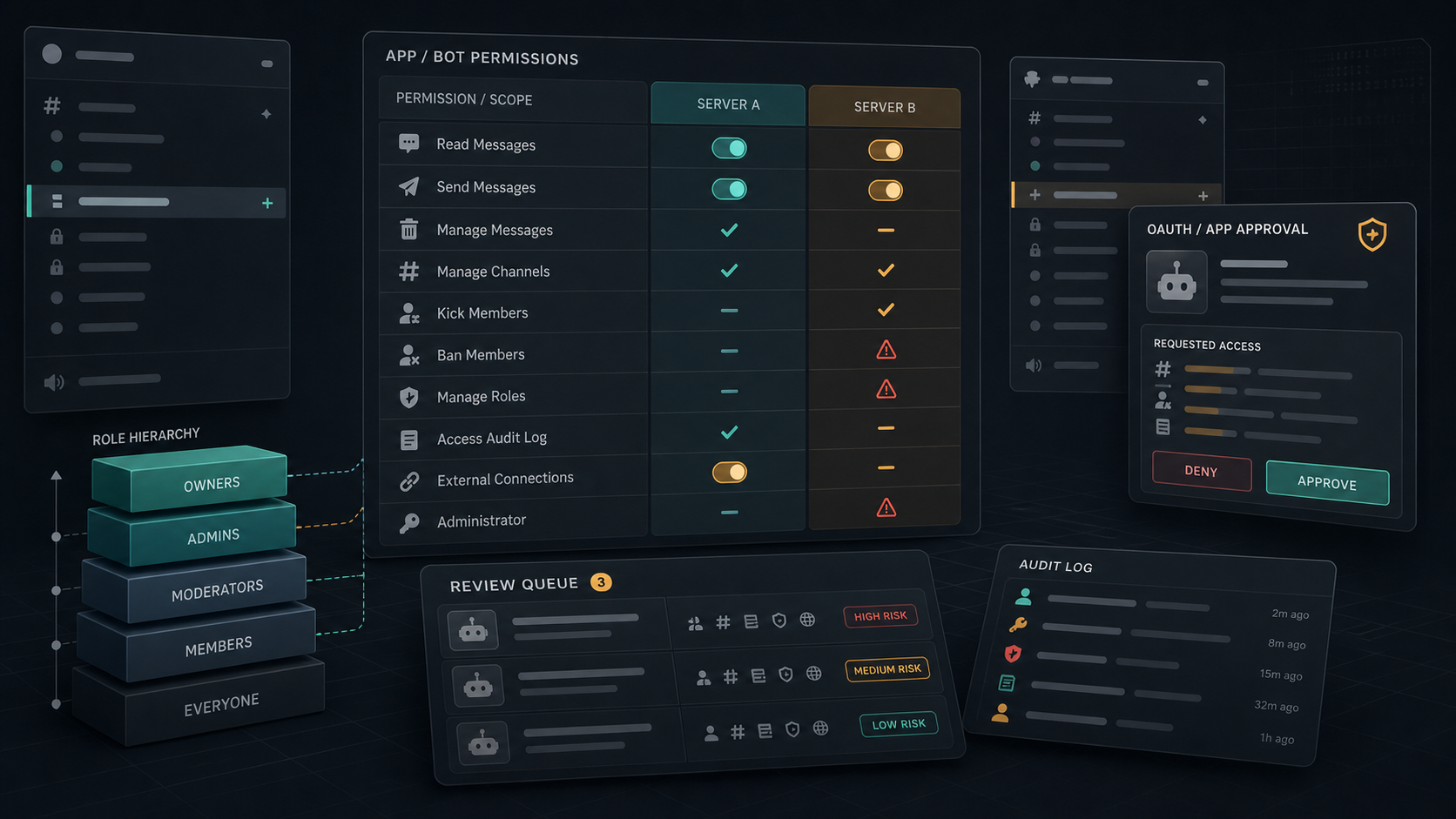
Bot Permissions Are Community Admin Infrastructure
Discord and Slack bots can read channels, post messages, manage roles, and carry long-lived tokens. Treat app approval as privileged infrastructure, not a convenience install prompt.
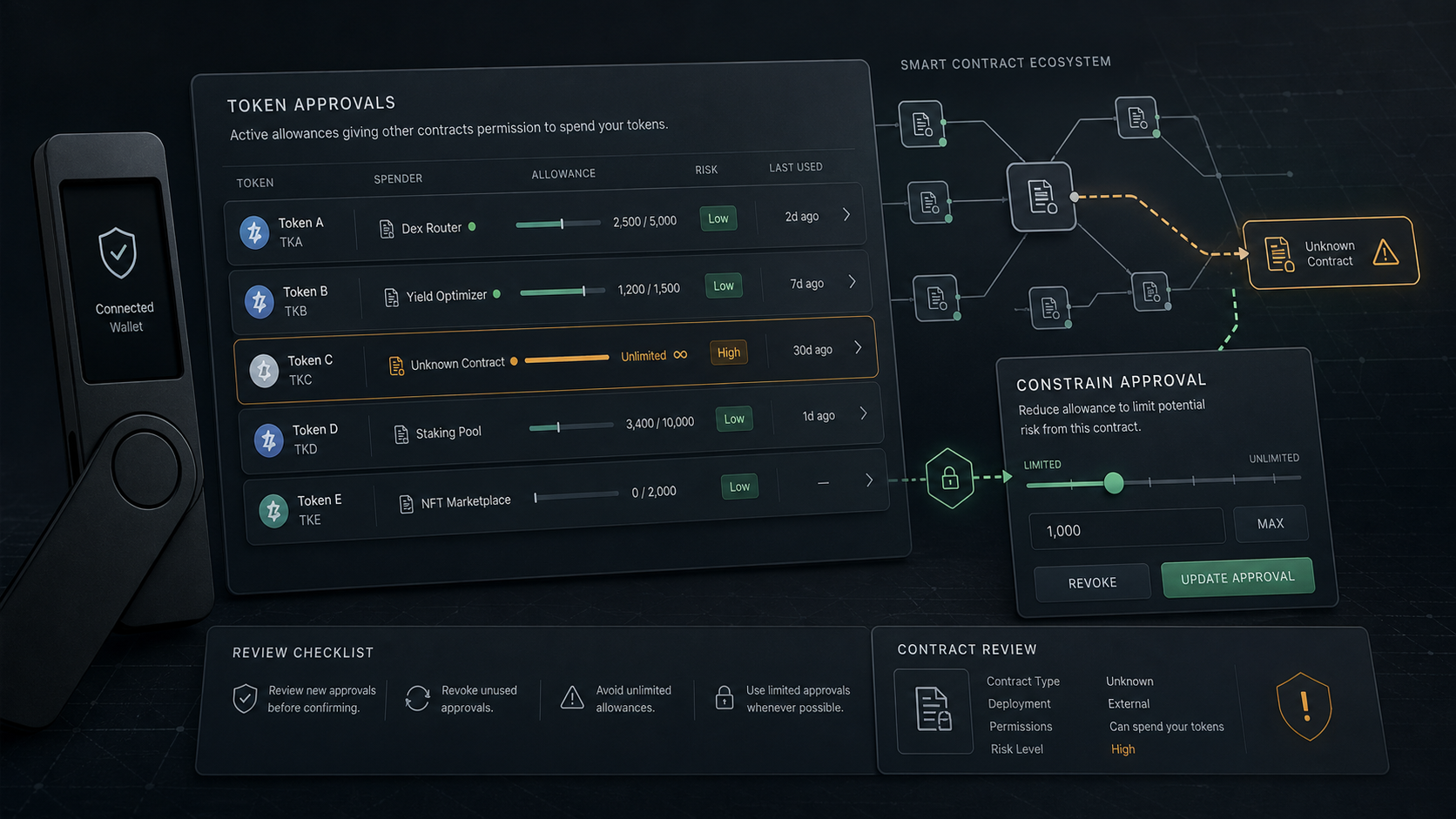
Wallet Drainers Start With Token Approval Risk
A seed phrase is not the only failure path. ERC-20 allowances, NFT operator approvals, permit signatures, and unlimited spender grants can let a malicious or compromised contract move assets later.

Check Point VPN Bypass Puts Legacy IKEv1 On Notice
Check Point says CVE-2026-50751 is being exploited against Remote Access VPN and Mobile Access deployments that still use deprecated IKEv1. Patch the gateways, disable legacy paths, and investigate back to May 7.