Instagram Encrypted DM Removal Changes The Privacy Boundary
Instagram ended support for optional end-to-end encrypted direct messages on May 8, 2026. The change does not prove misuse, but it changes what users, creators, and community operators should assume about sensitive conversations.
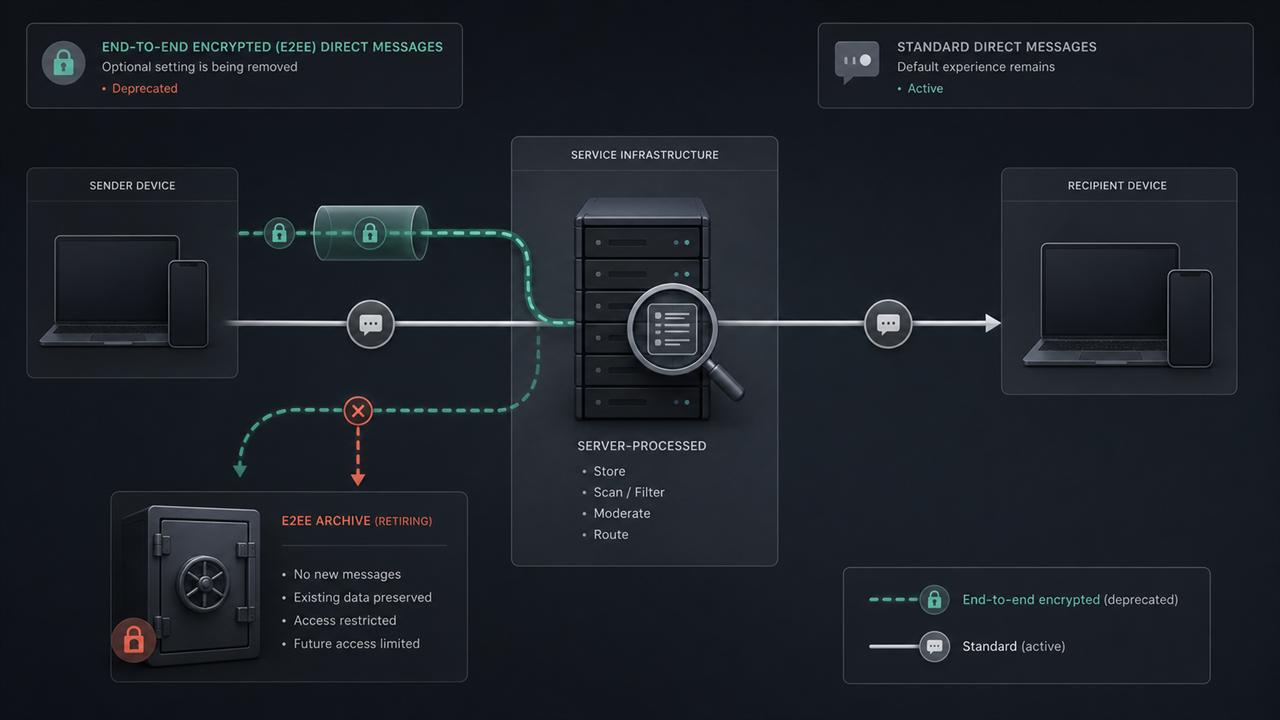
Instagram ended support for optional end-to-end encrypted direct messages on May 8, 2026. The official help-page change and contemporaneous reporting said affected users would be told how to download messages or media they wanted to keep, and that older app versions might need to be updated before export. After the cutoff, Instagram DMs returned to the platform's standard messaging model rather than an E2EE option for those conversations.
The measured response is not to call this a breach. No public source shows that a third party stole Instagram DMs or that Meta changed the content of old conversations for a specific advertising use. The practical point is simpler: a platform that can process message content for delivery, safety, abuse handling, legal compliance, and product features is a different risk surface from one where only participants' devices hold the message plaintext.
Key Takeaways
- check_circle Instagram's optional E2EE DM feature stopped being supported on May 8, 2026.
- check_circle The removed feature was not the default for all Instagram DMs, which helps explain why many users may not have noticed the boundary change.
- check_circle Standard DMs should be treated as service-processed conversations, not as participant-only confidential channels.
- check_circle Creators, organizers, journalists, crypto groups, and support teams should move sensitive text conversations to a service with default E2EE.
- check_circle Low adoption is not only a user preference signal; it can also reflect discoverability, onboarding, defaults, and product friction.
What Changed On May 8
The change was specific: Instagram stopped supporting end-to-end encrypted messages on May 8, 2026. Reports citing the Instagram help page said users with affected chats would receive in-app instructions for downloading messages or media they wanted to keep. Gadgets 360 also reported that encrypted conversations would no longer be accessible after the deadline and that older app versions might need to be updated to use the export path.
The timeline matters because the removal was not a hypothetical future policy debate by June 1. The date had passed. Users and teams that relied on Instagram encrypted chats should already assume that new Instagram direct messages are standard DMs unless Meta introduces another encrypted option later.
It also matters that the old feature was optional. Instagram did not have default end-to-end encryption for every DM in the way WhatsApp and Messenger are commonly discussed. Some users had access to encrypted chats, but many everyday Instagram messages were already outside that protection. The removal is still a real security change for affected users because it takes away the ability to choose that stronger mode inside Instagram.
A Removed Option Is Still A Security Change
It is tempting to dismiss the removal because adoption was low. Meta told reporters that very few people were opting into E2EE DMs, and that users who want E2EE can use WhatsApp. That may describe measured usage. It does not settle whether the feature was easy to find, well explained, available to the right users, or trusted enough to become habitual.
Defaults shape security behavior. Passkeys, MFA, device binding, encrypted backups, and disappearing messages all have different adoption curves when they are hidden, optional, confusing, or restricted. If a privacy feature requires users to find a per-conversation setting and understand a separate chat mode, low adoption may say as much about product design as it says about user demand.
For teams that care about sensitive communication, the existence of a lower-adoption option still had value. It let users keep some conversations inside an existing social graph while adding a stronger confidentiality boundary. Removing that option forces a decision: accept standard Instagram DMs, move the conversation elsewhere, or avoid having the conversation at all.
Standard DMs Are Service-Processed Conversations
End-to-end encryption changes who can technically read message content in normal operation. In an E2EE design, content is encrypted on the sender's device and decrypted by the recipient's device, with the service unable to read plaintext unless a participant reports or shares it. Meta's own Messenger technical overview describes how reporting can coexist with E2EE when a participant voluntarily submits content.
Without that participant-only boundary, the service can process content under its policy and system design. That does not mean every employee can browse DMs, and it does not prove that every message is used for every possible business purpose. It means the platform has more technical ability to store, scan, moderate, comply with lawful process, analyze, and route content than it would in a properly implemented E2EE conversation.
That distinction is what users should carry away. A standard Instagram DM may still be protected in transit, subject to access controls, and governed by Meta policies. It is not the same confidentiality model as an end-to-end encrypted chat where the provider is outside the content path.
Moderation Is Real, But Not The Whole Tradeoff
The debate is not one-sided. Platforms face real abuse, fraud, harassment, child-safety, non-consensual intimate imagery, and violent-extremism risks. Safety teams need ways to prevent, detect, and respond to harm. The Guardian reported child-safety and law-enforcement criticism around Meta's encryption plans, and the Australian eSafety framing in that report captured a useful point: strong encryption can be important for privacy while platforms still remain responsible for harm prevention.
The problem is treating moderation as a reason to blur every privacy boundary. A mature platform can make product-specific choices, but users need direct language about those choices. If a service chooses standard processing for DMs, it should not let users infer the protections of participant-only encryption from general privacy language, lock icons elsewhere, or the presence of encrypted products in the same corporate family.
There are also alternatives between doing nothing and scanning every message in cleartext. User reporting, metadata abuse detection, rate limits, contact controls, trust-and-safety workflows, client-side safety tools, age-appropriate defaults, and high-friction sharing for risky media can all matter. They do not remove the policy tension, but they show why the useful question is not encryption versus safety. It is which harms are being addressed by which mechanisms and what private content the platform can access to do it.
What Users And Operators Should Do Now
Individual users should assume Instagram is not the right place for sensitive direct messaging. That includes legal, medical, financial, employment, organizing, safety, intimate, or source-protection conversations. The safer pattern is to keep Instagram for discovery and lightweight social contact, then move sensitive text to a messaging app where E2EE is the default rather than a retired optional mode.
Creators and community operators should be explicit with members. If a fan, client, paid subscriber, or community member sends sensitive information through Instagram DMs, the operator should redirect them to an approved channel. This is especially important for security researchers, crypto projects, support teams, journalists, therapists, educators, and moderators who may receive personal information or abuse reports.
Organizations should also review their own archives and workflows. If staff used encrypted Instagram chats for sensitive coordination, export what needs to be retained, document what changed, update social-media playbooks, and remove any internal guidance that describes Instagram DMs as E2EE-capable. The goal is not panic. It is eliminating stale assumptions.
What Remains Unknown
Public sources do not prove whether Instagram will ship a replacement encrypted mode, whether the removal is permanent, or how Meta will treat every category of DM content in future product development. Reports quote low adoption as Meta's stated reason and point users toward WhatsApp for E2EE. That is different from knowing all internal product, safety, legal, and business motivations.
It is also not possible from public sources to reconstruct every user's affected chat history or export experience. Some users may never have had the feature. Others may have had older encrypted threads, device-specific keys, app-version problems, or messages they failed to export before the cutoff. Those edge cases matter to affected people, but they do not change the general guidance: new sensitive messaging should not depend on Instagram DMs.
Checklist
- Stop treating Instagram DMs as an option for sensitive text conversations.
- Move high-trust conversations to a service with default end-to-end encryption.
- Update creator, support, moderation, and community playbooks that mention Instagram encrypted chats.
- Export any required legacy encrypted-chat records if the platform still presents an export path.
- Use Instagram for discovery and lightweight contact, then redirect private matters to an approved channel.
- Tell users plainly which channels are monitored, encrypted, archived, or suitable for confidential reports.
Sources
- Instagram Help Center: What is end-to-end encryption on Instagram? open_in_new
- Help Net Security: Meta ditches end-to-end encrypted messaging on Instagram open_in_new
- Gadgets 360: Instagram to Discontinue End-to-End Encryption for DMs on May 8 open_in_new
- MacRumors: Instagram DMs Lose End-to-End Encryption Starting Today open_in_new
- The Guardian: Instagram to remove end-to-end encryption for private messages in May open_in_new
- Global Encryption Coalition statement on Meta's removal of E2EE from Instagram DMs open_in_new
- Meta Engineering: Messenger End-to-End Encryption Overview open_in_new
Continue Reading

Post-Quantum Messaging Needs More Than New Keys
Quantum-safe messaging is not a single algorithm swap. Teams need to understand hybrid key agreement, ratchets, group behavior, backups, identity keys, and migration transparency.
Discord E2EE Calls Raise The Privacy Baseline
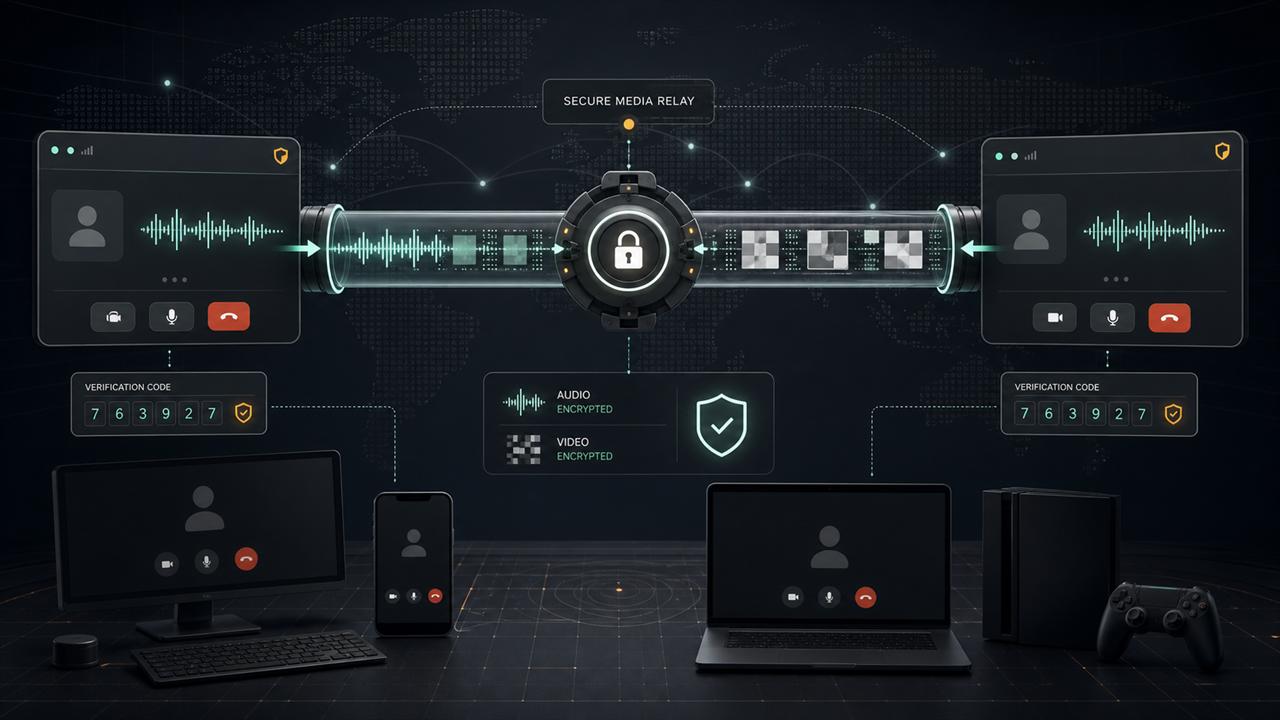
Discord says every voice and video call outside Stage channels now uses end-to-end encryption by default. The practical result is stronger media confidentiality, with clear limits around text, metadata, verification, previews, and device compromise.
GlobalProtect Cookie Bypass Makes VPN Edge Hygiene Urgent
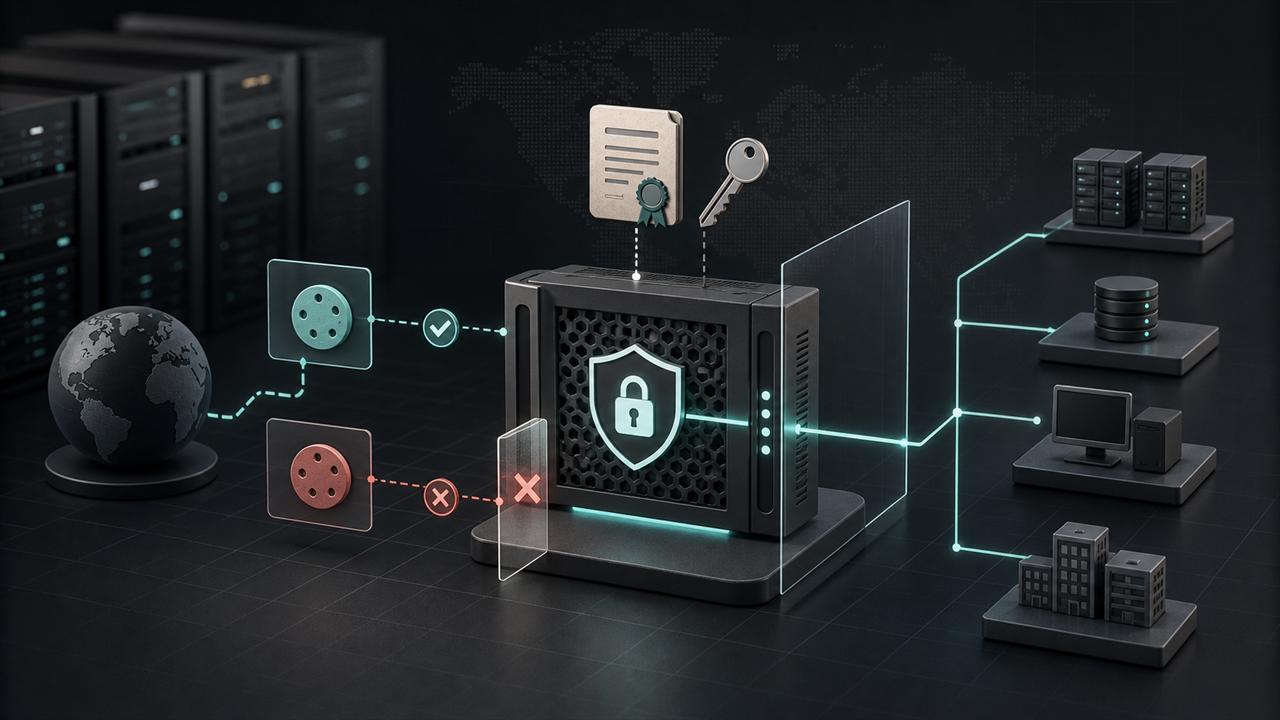
Palo Alto Networks updated CVE-2026-0257 after limited exploit attempts against unpatched GlobalProtect deployments. The practical response is configuration review, fixed PAN-OS versions, and VPN-edge incident triage.