Discord E2EE Calls Raise The Privacy Baseline
Discord says every voice and video call outside Stage channels now uses end-to-end encryption by default. The practical result is stronger media confidentiality, with clear limits around text, metadata, verification, previews, and device compromise.
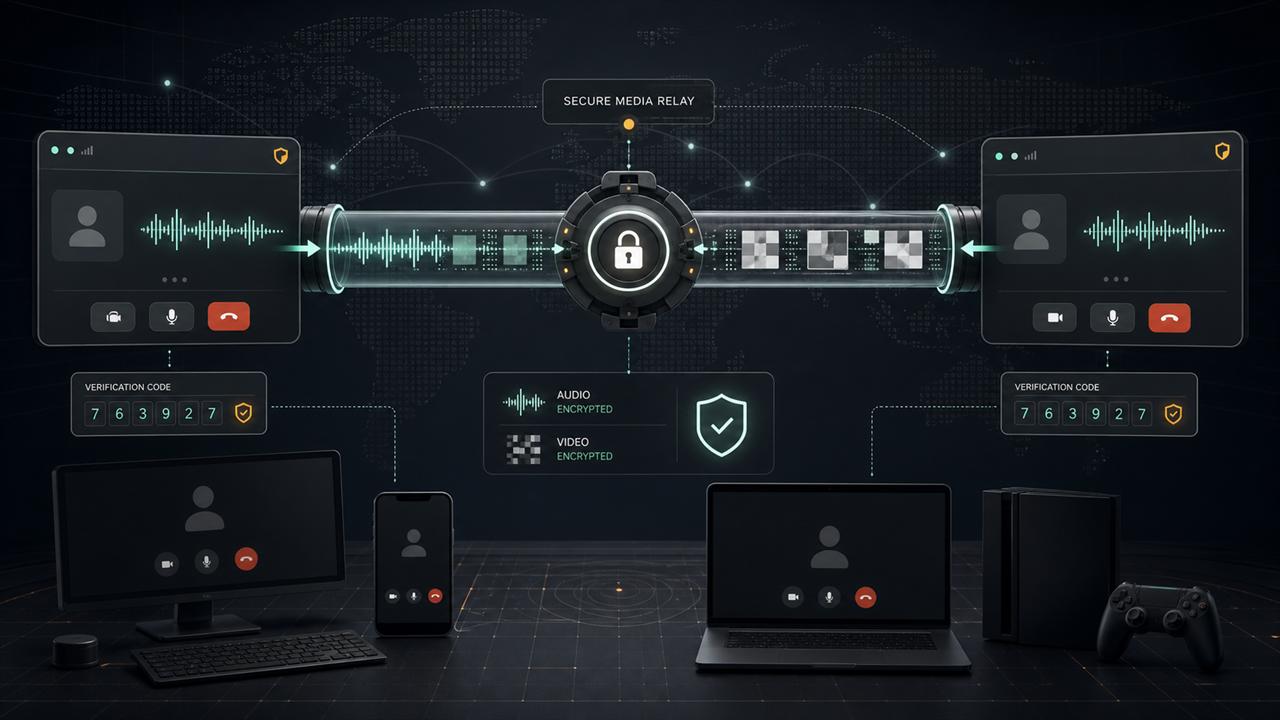
Discord said on May 18, 2026 that it had completed the migration of voice and video calls to end-to-end encryption by default at the beginning of March. The company says the change applies to DMs, group DMs, voice channels, and Go Live streams, with Stage channels left outside the encrypted-call boundary. Users do not need to opt in, and updated clients are required for the protected call path.
The security result is meaningful but specific. Discord's DAVE protocol is designed to keep call media content away from Discord infrastructure and network observers, while still letting Discord operate low-latency relay infrastructure. It does not make text messages end-to-end encrypted, hide all metadata, prove every participant's identity automatically, protect a compromised endpoint, or make every preview and broadcast surface private.
Key Takeaways
- check_circle Discord says voice and video E2EE is now default for eligible calls, including DMs, group DMs, voice channels, and Go Live streams.
- check_circle Stage channels are excluded because they are built for larger broadcast-style events rather than private calls.
- check_circle DAVE uses MLS for group key agreement and encrypts encoded audio and video frames before media is relayed.
- check_circle Privacy codes and persistent verification keys help users detect unexpected participants or device changes, but only when people actually verify them.
- check_circle Text messages remain outside Discord's E2EE plan, so sensitive community policy should still separate voice privacy from chat privacy.
What Discord Confirmed
The May 18 announcement is more than a marketing refresh. Discord says the default E2EE migration was finished at the beginning of March 2026, and that unsupported clients can no longer join eligible calls once the new requirement is enforced. In practice, the default changed from transport-protected media relayed by Discord to media encrypted for call participants before relay.
Discord's scope is broad for real-time media. The company says DAVE now covers DMs, group DMs, server voice channels, and Go Live streams. That is a large set of user behavior because Discord calls are not only one-to-one conversations. They include gaming parties, private creator communities, paid member calls, small business support rooms, developer hangouts, and incident-response channels used by teams that treat Discord as operational chat.
The exception is just as important as the headline. Stage channels are not end-to-end encrypted. They are built for larger public or semi-public events, and Discord frames them as a different product shape from personal or group voice calls. Community owners should not describe every live audio surface on the platform as private just because normal calls now have a stronger media path.
How DAVE Is Supposed To Work
The DAVE whitepaper describes a media session model where the voice gateway helps call members establish group cryptographic state using Messaging Layer Security. Once the group is established, each sender derives ratcheted media encryption keys. Audio and video frames are encrypted before they pass through Discord's selective forwarding unit, so the relay can route media without seeing cleartext content.
That architecture reflects a common tension in large real-time systems. Discord still needs infrastructure that can coordinate participants, route packets, manage membership changes, and keep latency low. End-to-end encryption does not remove those servers. It changes what those servers should be able to learn from media frames. If implemented correctly, the server can move encrypted packets without decrypting the call.
The design also matters because calls change while they are happening. People join, leave, reconnect, switch devices, and stream. DAVE's use of MLS group epochs and sender keys is meant to handle those membership changes without turning every call into a slow cryptographic ceremony. That is the hard part for community-scale voice privacy: the privacy mechanism has to survive normal product behavior.
Verification Is A User Action
Discord's help documentation gives users privacy codes for calls and streams, and verification codes for individual participants. Comparing those codes out of band can confirm that participants share the same encrypted view of the call and can help detect unexpected participants or changed devices. Persistent verification keys can reduce repeated checks, but they are tied to devices rather than only to a user account.
That distinction matters. A green lock icon can tell users that a call is using the encrypted media path. It does not, by itself, prove that the person behind an account is the expected human, that an account has not been compromised, or that a screen share is safe to show. Stronger assurance still requires verification behavior, account hygiene, device security, and a trusted channel for comparing codes.
For high-risk rooms, verification should be a documented workflow rather than a hidden menu item. Moderators, founders, support leads, and incident responders should know when to compare codes, when to remove a device verification, and what to do if a trusted participant suddenly appears unverified.
What Is Still Outside The Boundary
Discord is explicit that it has no current plans to extend E2EE to text messages. That means server chat, DMs, moderation workflows, bots, search, reports, retention, discovery, and administrative features still sit in a different trust model than voice and video calls. A private call followed by sensitive text in the same channel may cross from one confidentiality model to another without a visible social boundary.
Metadata is also outside the main protection goal. The DAVE threat model lists call metadata such as existence, participants, duration, and usage patterns as information that may remain visible because it is needed to provide the service. This does not make the media encryption weak. It means administrators should avoid selling E2EE calls as anonymity.
Endpoint compromise remains out of scope as well. If a user's device, account, or same-user application context is compromised, end-to-end media encryption cannot guarantee that the user is acting honestly or that captured audio and video stay private. The protection is against infrastructure and network observers, not against malware sitting beside the call client.
Why Communities Should Change Their Playbook
Many communities already treat voice as more candid than text. People say things aloud that they would not write into a permanent channel. Default E2EE gives that behavior a stronger technical basis, but it also creates a documentation problem: members need to know which surfaces are protected, which are not, and how to handle sensitive topics without mixing them into the wrong layer.
Server owners should update onboarding and moderator guidance. Do not simply say Discord is encrypted. Say eligible voice and video calls are end-to-end encrypted by default, Stage channels are not, text is not end-to-end encrypted, stream previews have separate caveats, and identity verification requires comparing codes. That phrasing is less catchy and much more accurate.
Teams using Discord for business, crypto communities, vulnerability coordination, paid groups, or private creator work should also review bots and meeting rituals. Bots may join voice workflows, logs may capture channel participation, and screen shares may expose secrets even when the call media path is encrypted. E2EE lowers one category of risk; it does not replace operational discipline.
The Broader Protocol Signal
DAVE is interesting because Discord published a protocol whitepaper, open-sourced implementation components, cited external review, and built on standards work such as MLS and WebRTC encoded transforms. That is the direction large communication platforms should move: inspectable cryptographic design paired with product-specific threat modeling.
The move also shows why E2EE adoption is not a binary feature checkbox. The same platform can have encrypted voice, non-encrypted text, encrypted streams, non-encrypted broadcast stages, device-specific verification, visible metadata, and feature-specific exceptions. Real privacy evaluation has to map each user action to its actual protection boundary.
For Protocol Report readers, the conclusion is practical: Discord calls are now a better fit for private real-time conversation than they were before, but text, identity, moderation, retention, and endpoint risk still need separate controls.
Checklist
- Update community guidance to distinguish encrypted calls from non-E2EE text messages.
- Do not use Stage channels for conversations that require end-to-end encrypted media.
- Teach moderators how to view and compare privacy or verification codes for high-trust calls.
- Review stream preview settings before sharing sensitive screens or private work.
- Keep bot, role, invite, and account-security controls in place; E2EE does not fix account compromise.
- Document which platform should be used when a conversation needs encrypted text, not only encrypted voice.
Sources
- Discord: Every Voice and Video Call on Discord Is Now End-to-End Encrypted open_in_new
- Discord Help: End-to-End Encryption for Audio and Video open_in_new
- Discord DAVE protocol whitepaper open_in_new
- GitHub: discord/libdave open_in_new
- IETF RFC 9420: Messaging Layer Security open_in_new
- W3C: WebRTC Encoded Transform open_in_new
Continue Reading
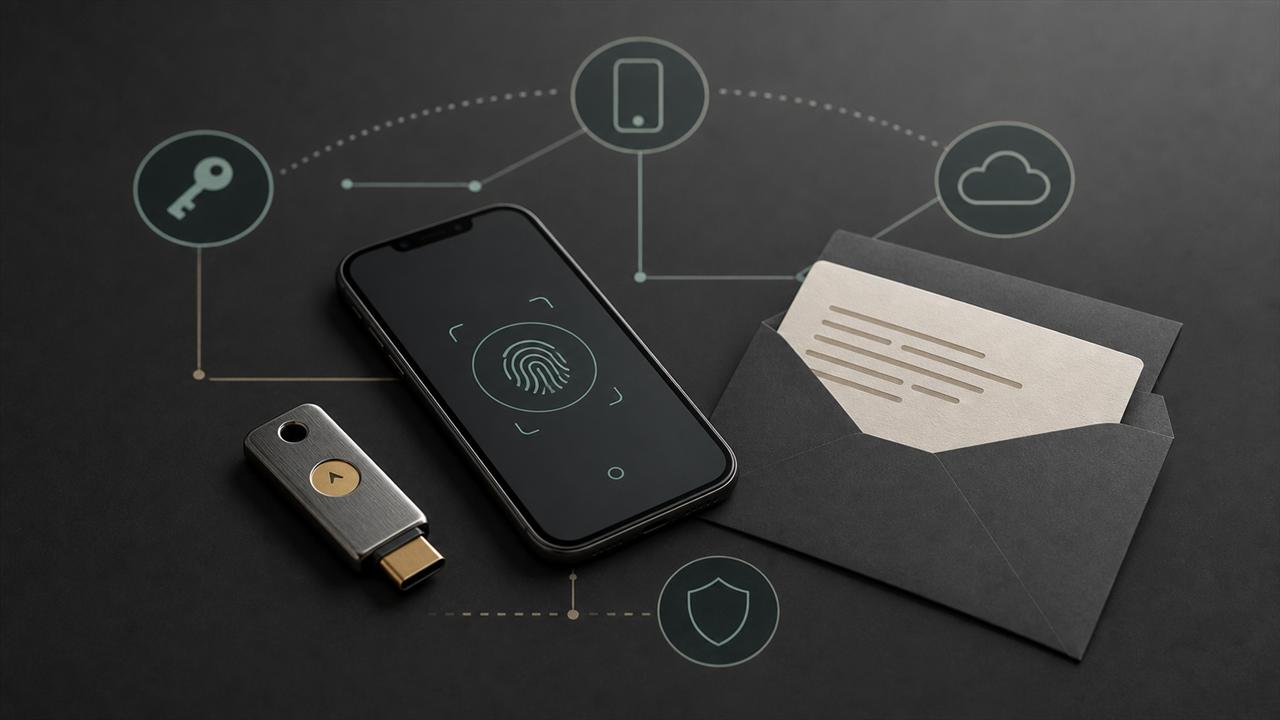
Passkeys Move Account Risk To Recovery
Passkeys remove the reusable password from login, but the hard security work moves to recovery, sync, device binding, fallback methods, and privileged account policy.
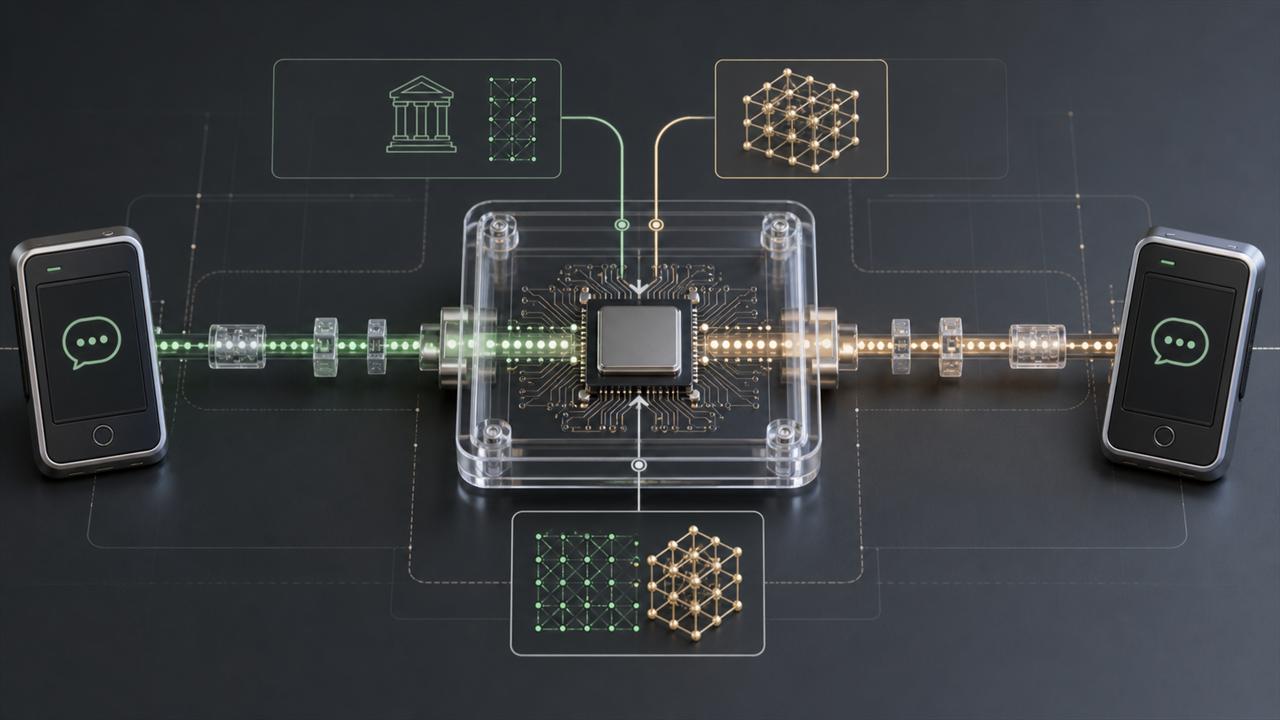
Post-Quantum Messaging Needs More Than New Keys
Quantum-safe messaging is not a single algorithm swap. Teams need to understand hybrid key agreement, ratchets, group behavior, backups, identity keys, and migration transparency.
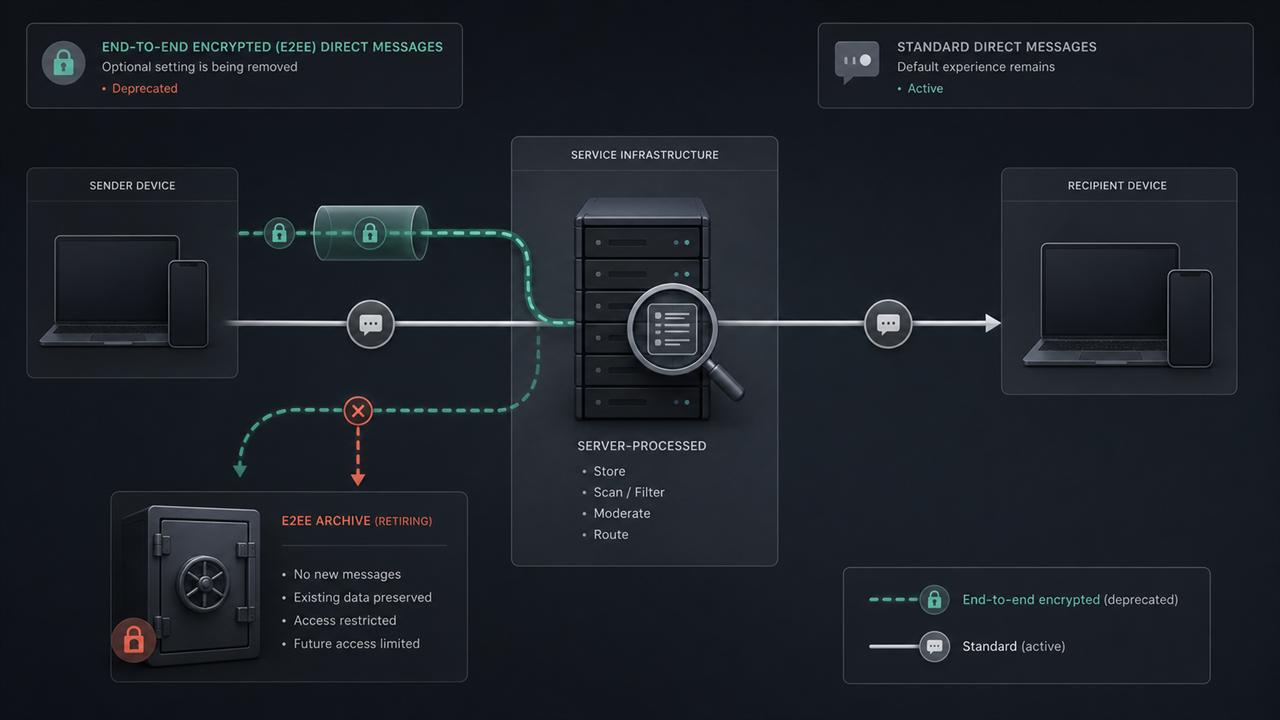
Instagram Encrypted DM Removal Changes The Privacy Boundary
Instagram ended support for optional end-to-end encrypted direct messages on May 8, 2026. The change does not prove misuse, but it changes what users, creators, and community operators should assume about sensitive conversations.