SafePal Order-Data Breach Turns Shipping Details Into Wallet Lures
SafePal says an order-tracking authorization flaw exposed 39,798 customers. Wallet keys were not breached, but purchase data sharpens phishing risk.
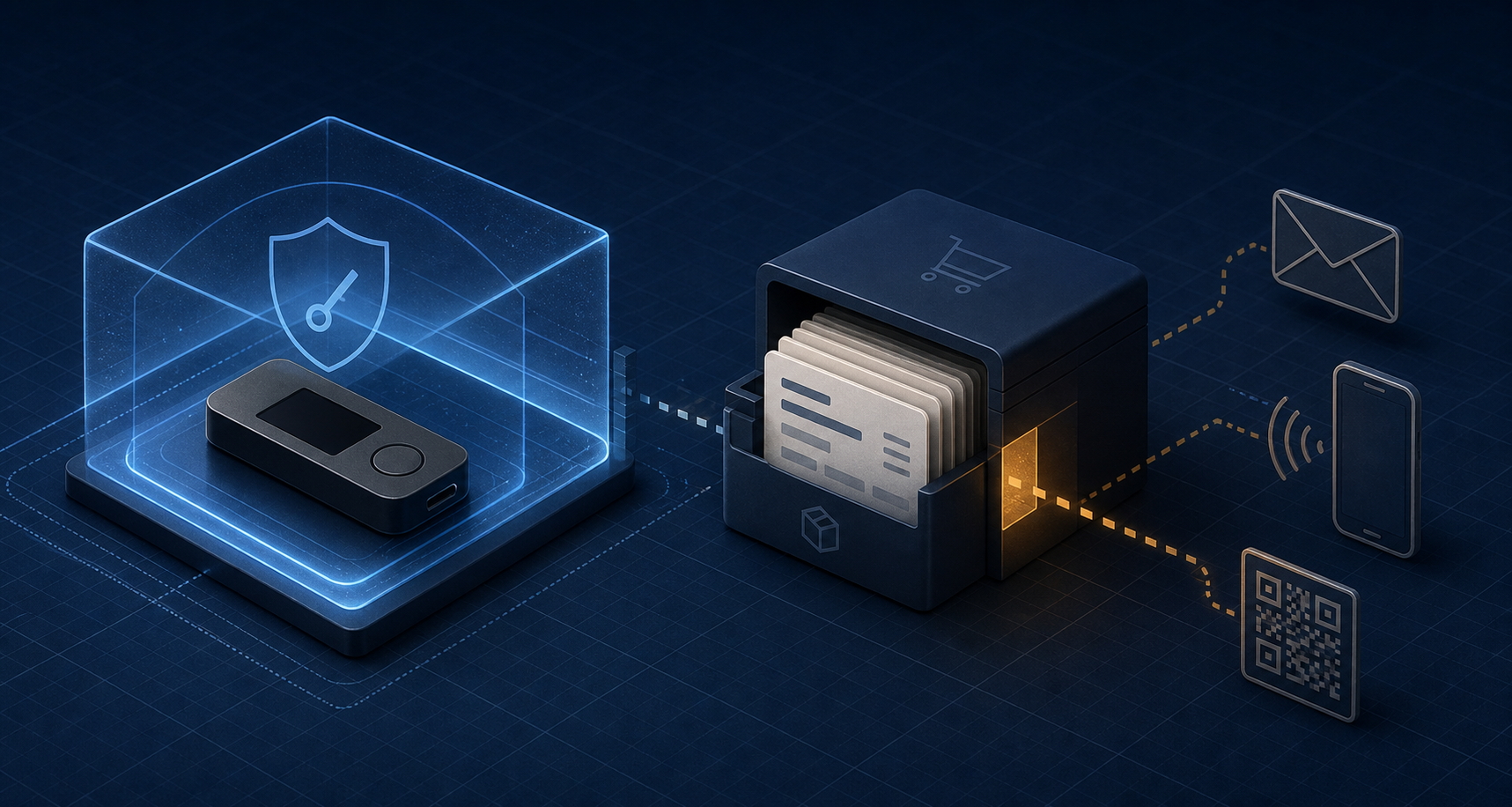
SafePal disclosed on August 16 that an authorization flaw in an order-tracking plug-in allowed external access to other customers' order information. The affected population is approximately 39,798 customers who placed orders between March 2, 2025 and April 11, 2026. The exposed fields include names, email addresses, shipping addresses, phone numbers, and purchase details.
SafePal says the incident did not involve seed phrases, private keys, wallet passwords, other wallet credentials, bank accounts, payment cards, government identification, or evidence of access to wallets or funds. That boundary matters, but it does not make the breach harmless. A scammer who knows which wallet product someone bought and where it was delivered can build unusually credible support, refund, firmware, replacement-device, phone, text, and postal lures. Affected customers should protect the recovery phrase rather than move assets solely because order data was exposed.
Key Takeaways
- check_circle SafePal attributes the exposure to an authorization flaw in an order-tracking plug-in, not to a compromise of the hardware wallet or its cryptography.
- check_circle The vendor says approximately 39,798 customers are affected, covering orders placed from March 2, 2025 through April 11, 2026.
- check_circle Names, email addresses, shipping addresses, phone numbers, and purchase details were accessed; SafePal says wallet credentials, payment data, identification numbers, wallets, and funds were not affected.
- check_circle The order-placement range is not an intrusion timeline. SafePal has not published the first or last unauthorized request, the number of requests, the actor, or detailed exploitation mechanics.
- check_circle A failed cleanup process kept older records longer than intended. SafePal says this retention failure expanded the affected range but did not create the authorization flaw.
- check_circle Customers do not need to replace the device or move funds solely because of this notice. Anyone who disclosed a seed phrase or private key to a lure should treat that wallet as compromised and migrate assets using a trusted device or official app.
The Confirmed Breach Is Order Data, Not Wallet Keys
SafePal's incident notice identifies a narrow but consequential system boundary. An authorization flaw in the order-tracking function for a plug-in associated with customer orders allowed unauthorized access to another customer's order information under certain conditions. SafePal says the flaw was fixed after discovery and that additional security measures were introduced. The company has not named the plug-in, its supplier, the exact request pattern, or whether authentication was required before one customer's record could be retrieved.
The disclosed population is approximately 39,798 customers whose order dates fall between March 2, 2025 and April 11, 2026. SafePal lists names, email addresses, shipping addresses, phone numbers, and purchase details as exposed. It says affected customers received individual email on August 16 from security@safepal.com. Those facts support an order-data breach affecting a defined customer cohort, but the order dates should not be mistaken for the attacker's access window. The public notice does not give the first access date, last access date, request volume, or complete log coverage.
SafePal expressly excludes seed phrases, private keys, wallet passwords, other wallet credentials, bank-account information, payment-card numbers, and government-issued identification. It also says it found no evidence that the incident itself compromised access to wallets or funds, and describes its cold-storage architecture as isolated from e-commerce servers. These are vendor statements about the investigated boundary. They justify avoiding claims that the hardware wallet was hacked, while leaving the independent security review and fuller timeline as unfinished work.
Purchase Context Makes Phishing More Convincing
A hardware-wallet order links an identifiable person and address to an interest in self-custodied cryptocurrency. Purchase details may help an impersonator choose a believable device, accessory, warranty, shipment, or firmware story. A phone call can cite the product, an email can offer a refund, a text can claim a delivery problem, and a physical letter can present a QR code for a supposed security check. None of that data grants wallet access by itself. Its value is that it makes the request for the actual secret feel specific and timely.
SafePal says it has identified and taken down more than 30 fraudulent websites and phishing links tied to scam activity. The company warns about fake support messages, firmware-update requests, refund offers, malicious sites, unexpected calls, letters, and hardware deliveries. It also says its staff do not initiate phone calls and never request a recovery phrase, PIN, private key, or password. Customers should use those behavioral rules, not a display name, sender address alone, order number, caller ID, or knowledge of a delivery address, to judge a contact.
Physical address exposure also changes the channel. Email filters cannot stop a convincing letter or an unsolicited package. Treat any replacement device or recovery card that arrives without a request as hostile until independently verified. Do not connect the device, scan an enclosed code, install software, or enter a phrase. Contact SafePal through a manually typed address or an existing trusted support record, and preserve the packaging and message if reporting is necessary.
Order Systems Need Security Controls Proportional To Their Downstream Risk
E-commerce data is often treated as operational rather than security-sensitive. For a hardware-wallet seller, order history creates a target list for people likely to control crypto assets. The order-tracking surface should therefore receive the same basic scrutiny as an account API: explicit authorization for every object, response schemas that return only required fields, rate and enumeration controls, alerting for sequential or high-volume lookups, and tests that try to retrieve records across customer boundaries.
Minimizing fields is separate from controlling objects. A tracking page may need a delivery state but not a full address, phone number, email address, or product history after the purchase flow has completed. OWASP's object-property guidance recommends returning only properties required by the business function rather than serializing an entire backend record. Tokenizing tracking access, limiting its lifetime, and separating warranty records from live delivery details can reduce the payoff even when another control fails.
Retention also needs observable enforcement. SafePal's failed cleanup job shows why a written policy is insufficient. Operators should measure eligible records, deleted records, exceptions, replica lag, backup handling, and job failure age. Alerts should reach an owner before months of data accumulate. Vendors should also ask logistics and fulfillment partners to document their copies and deletion rules, while avoiding claims that a partner was breached unless the investigation proves it. SafePal says it contacted those partners and has so far found no evidence that the issue extended to their systems.
The Closure Report Still Needs A Technical Timeline
SafePal says a report consistent with the issue arrived in early May and was initially treated as isolated. It escalated the matter into a formal investigation, added protections, began a full review and rebuild of the order-processing pipeline in July, and then confirmed the root cause. An independent security firm is being engaged to validate the fix and review the wider order-processing system. That sequence explains the delayed disclosure but does not yet establish when unauthorized access began or ended.
A useful follow-up should publish the access prerequisites, affected endpoint and fields, first and last confirmed unauthorized request, total record and request counts, logging limitations, method used to identify the 39,798 customers, and evidence supporting the boundary around logistics partners and wallet systems. It should also distinguish the May user report, subsequent scam activity, and any confirmed exploitation evidence. Taking down fraudulent sites does not by itself prove which operator accessed the records or how every site obtained its targets.
Customers should watch for those updates without waiting to adopt the core rule: no legitimate support process needs the recovery phrase or private key. The cryptographic boundary can remain intact while the commercial data around a device becomes an attack tool. SafePal's incident is therefore best understood as an identity and social-engineering risk created by an order-system failure, with wallet compromise occurring only if an attacker succeeds in crossing the separate human secret boundary.
Checklist
- Verify affected status through a manually typed SafePal address or an existing trusted support channel, not an unsolicited link.
- Treat unexpected refund, firmware, replacement-device, support, phone, text, QR-code, letter, and package requests as hostile.
- Never disclose a recovery phrase, private key, PIN, or wallet password to support staff, websites reached from messages, or callers.
- Do not replace the wallet or move funds solely because order data was exposed; follow the vendor's investigated boundary.
- If a recovery phrase or private key was exposed, create a new wallet through a trusted device or official app and move remaining assets promptly.
- Preserve malicious domains, sender details, phone numbers, packaging, wallet addresses, and transaction identifiers before reporting.
- For operators, test object authorization and response fields on every order endpoint, then monitor deletion jobs and retention exceptions.
Sources
- SafePal: unauthorized access to a subset of customer order information open_in_new
- SafePal: order information incident and phishing FAQ open_in_new
- SecurityWeek: 40,000 impacted by SafePal data breach open_in_new
- OWASP API Security: broken object-level authorization open_in_new
- OWASP API Security: broken object-property-level authorization open_in_new
- CISA, NSA, FBI, and MS-ISAC: Phishing Guidance, Stopping the Attack Cycle at Phase One open_in_new
- FTC: what to know about cryptocurrency and scams open_in_new
Continue Reading

GitLab GraphQL Flaws Put Public Project Integrity At Risk
GitLab fixed an unauthenticated GraphQL path that could modify or delete public projects. Self-managed operators need a verified upgrade and evidence plan.

Threema DDoS Outage Shows Encryption Is Not Availability
Threema's August DDoS outage left message encryption intact but disrupted delivery and status updates. Crisis plans need a truly independent channel.
Google Cloud PQC Defaults Put TLS Compatibility On The Clock
Google Cloud will default supported load balancers to hybrid post-quantum key exchange in October 2026. Customers need compatibility evidence now.